Written scope
Square footage, species, and finish listed
Hardwood Flooring in Abilene means planks that stay flat through West Texas humidity swings. We install, sand, and refinish solid and engineered wood for homeowners across Taylor County, from 1950s pier-and-beam houses near Sayles Blvd to new builds out by Dyess. Free on-site measure, straight pricing, and a floor you can walk on the same week.
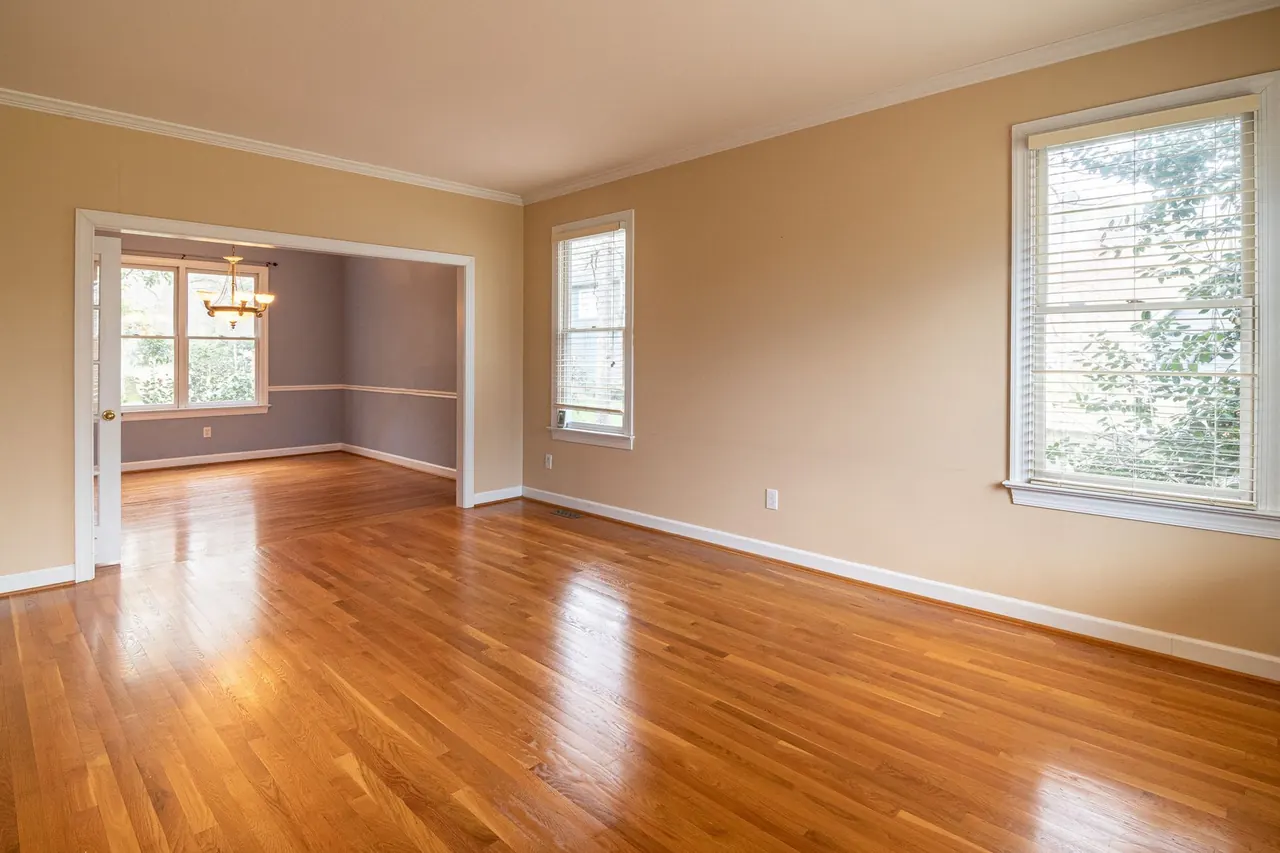
Every job is scoped to your house, but here is what comes standard on a full install or refinish. Anything outside this list, like stair treads or custom inlays, gets priced separately before we start.
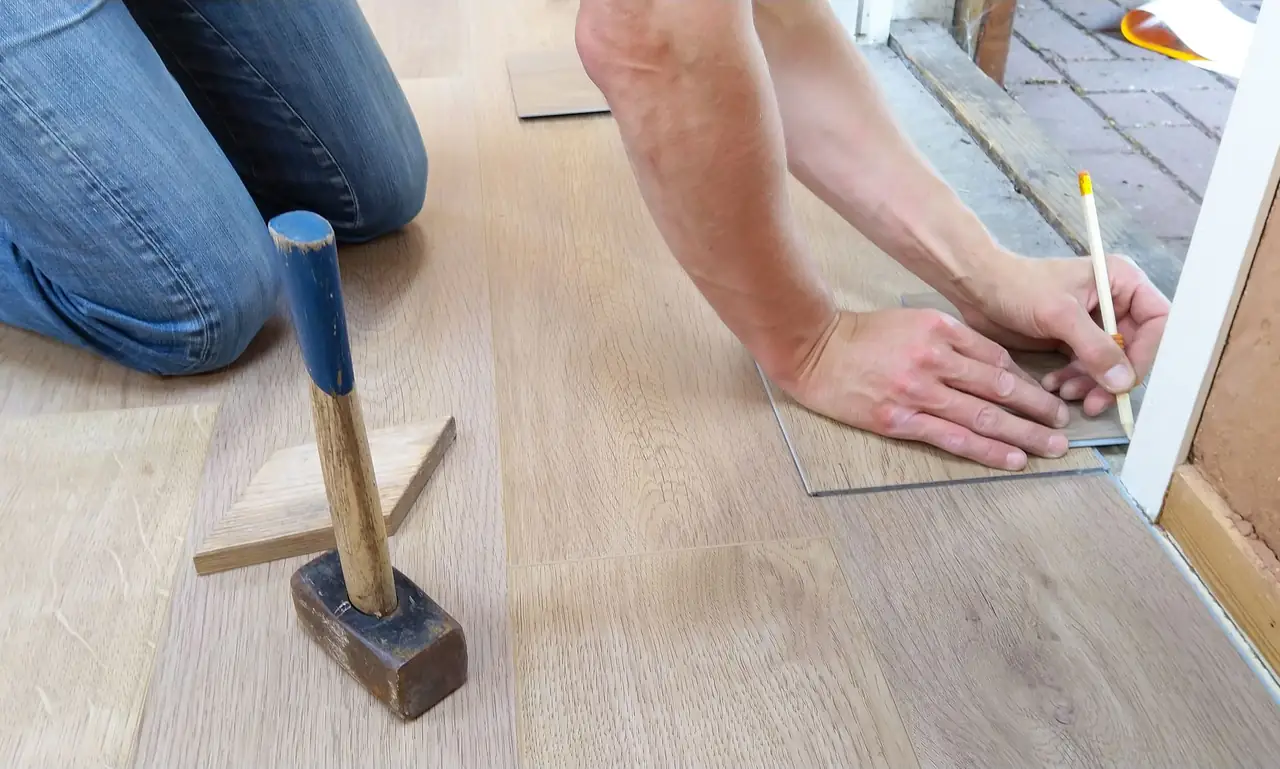
We install and refinish wood floors in houses, duplexes, and rentals across Abilene. Every job starts with a moisture reading and a flatness check so the planks stay put.
We work with property managers, landlords, and small business owners who need floors back in service fast. Scheduling is built around your open hours.
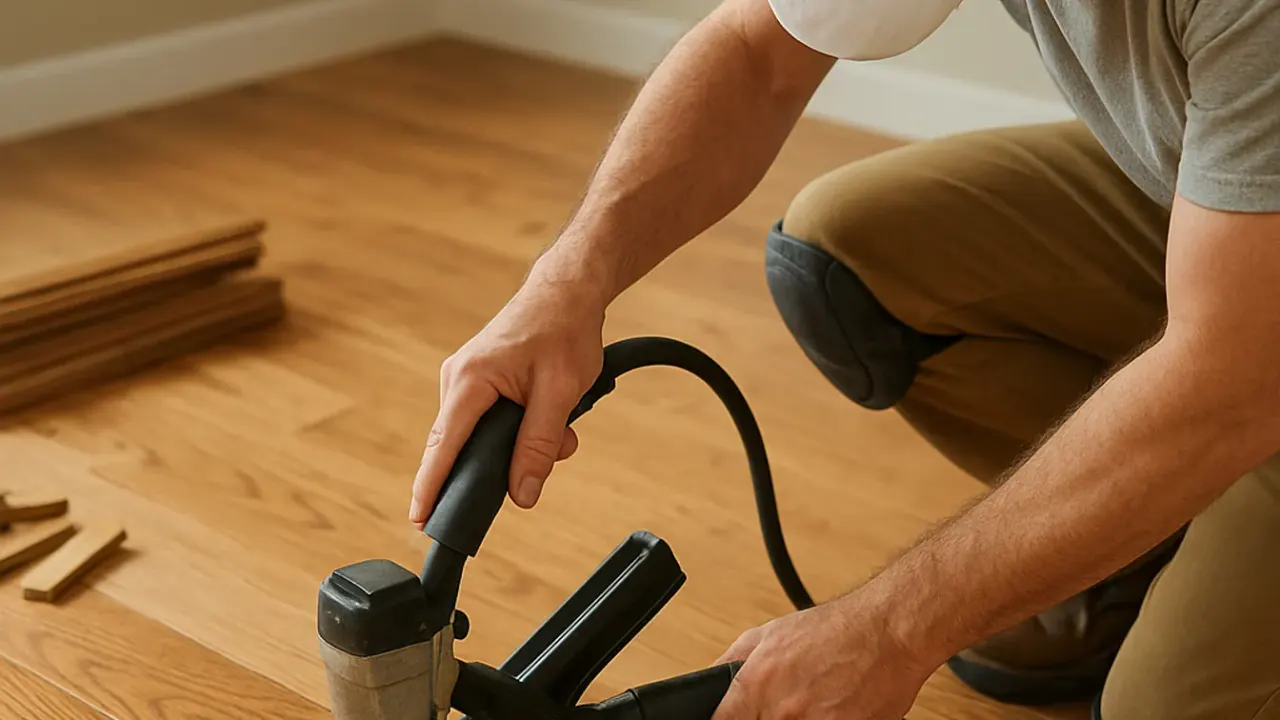
Hardwood Flooring in Abilene is the trade of installing, sanding, and finishing real wood planks over a sound subfloor so the floor survives decades of foot traffic, pets, and dry air. It starts with a moisture meter reading on the slab or plywood subfloor, then a decision between solid red oak, white oak, hickory, or engineered hardwood planks. From there we set cleats with a pneumatic flooring stapler, fill gaps with wood floor filler, and build three coats of finish.
Abilene homes sit on expansive clay soil that moves with every wet and dry cycle, and that movement telegraphs straight into a floor. We see cupping from moisture in crawlspace homes near Cobb Park, gaps between boards in Original Town South bungalows, and worn finish on 1990s builds out by Buck Creek. If you have been searching for hardwood flooring services near me Abilene TX, the fix is almost always subfloor prep first, planks second.
Flat subfloor, dry wood, tight planks, and a finish that holds up to Abilene weather.
Five steps, no mystery. Here is how a typical Abilene job runs from the first phone call to the day you move the furniture back.
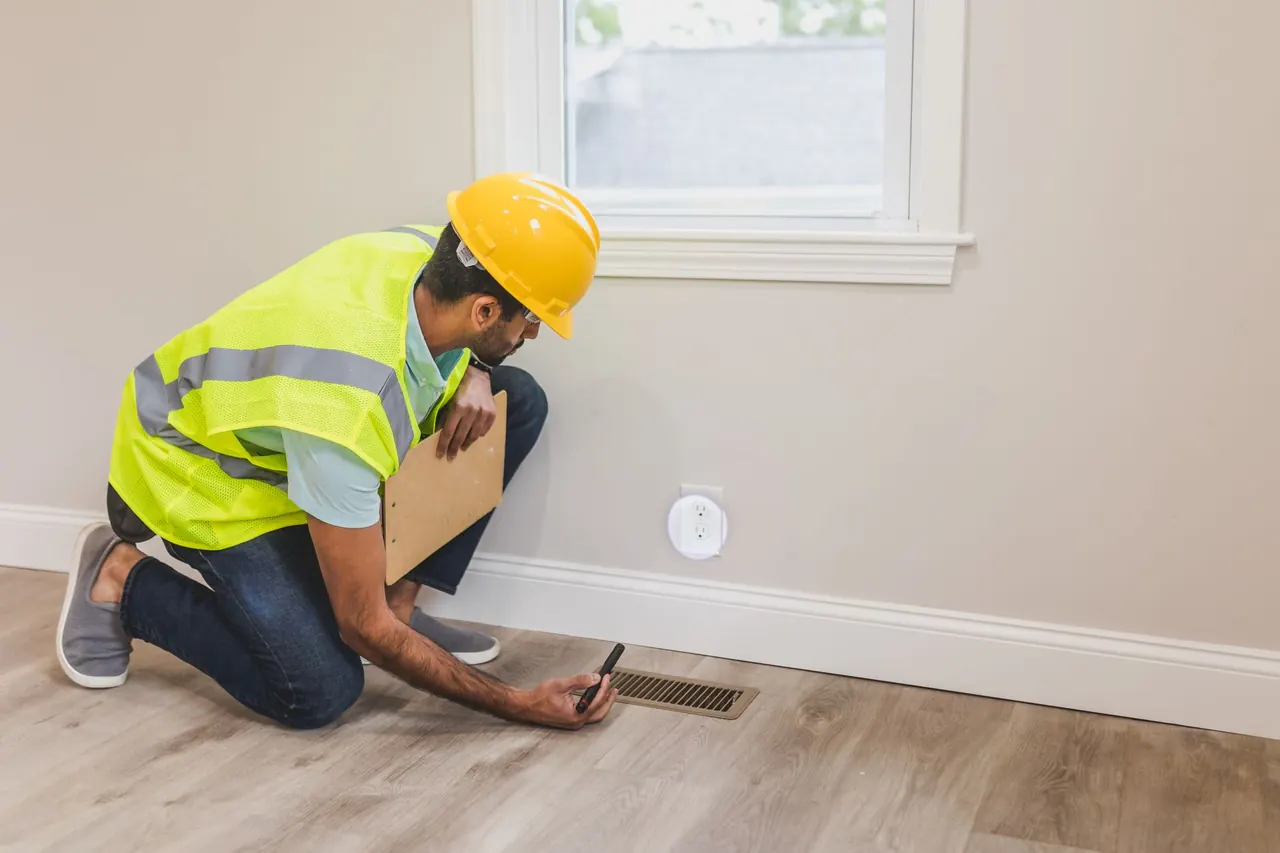
We walk the rooms, check subfloor flatness with a straightedge, and take moisture meter readings on the slab or crawlspace joists. You get a written scope with square footage, species options, and a firm number. Most estimates take 30 to 45 minutes and cost nothing.
You pick species and finish from samples we bring, including Bruce, Shaw, Mohawk, Somerset, and Hallmark Floors. We lay out plank direction, plan transitions at doorways, and order 8% to 10% extra for cuts and future repairs. Material lands on site two to five days later.
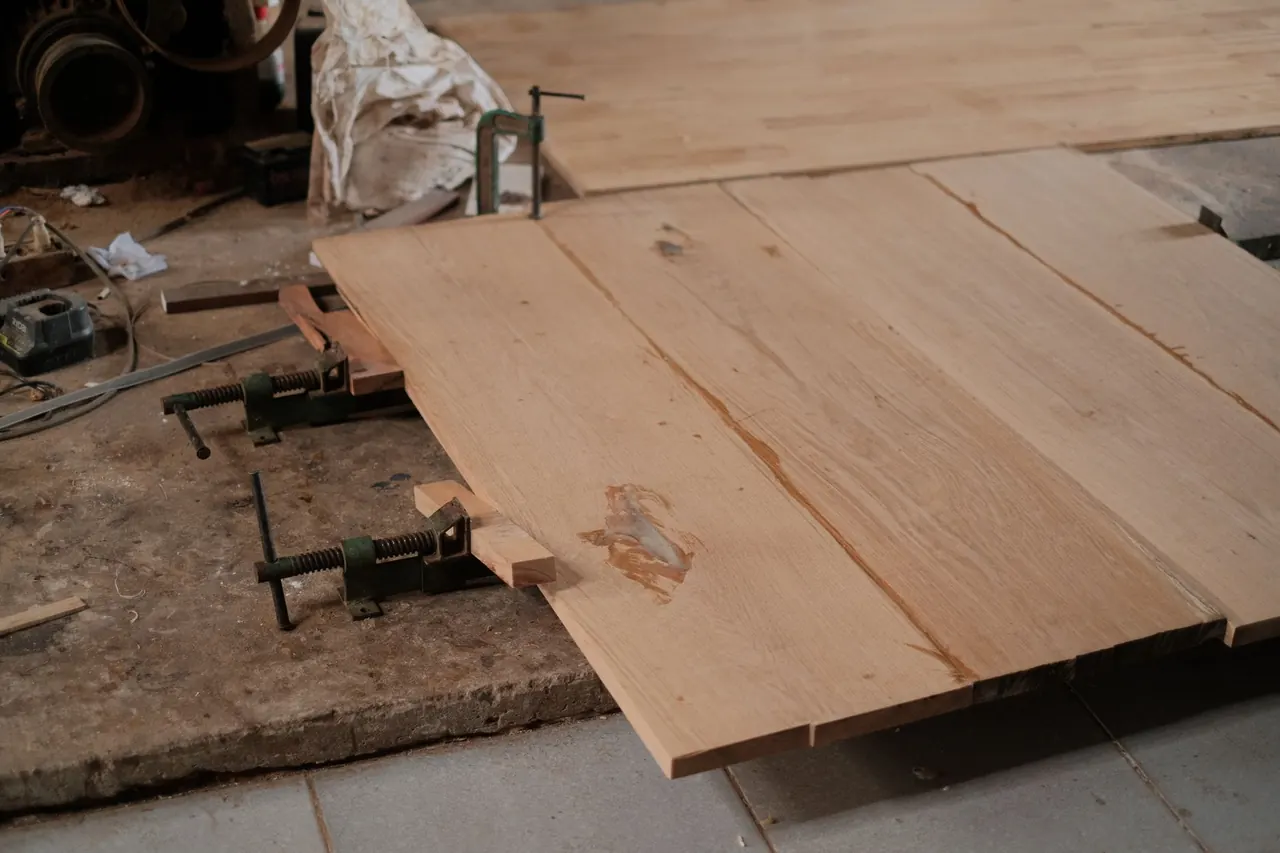
Bundles sit in the house 72 hours minimum so the wood matches indoor conditions. Meanwhile we pull old flooring, scrape adhesive with a pry bar and floor scraper, replace soft subfloor sections, and set a vapor barrier where the slab calls for one.
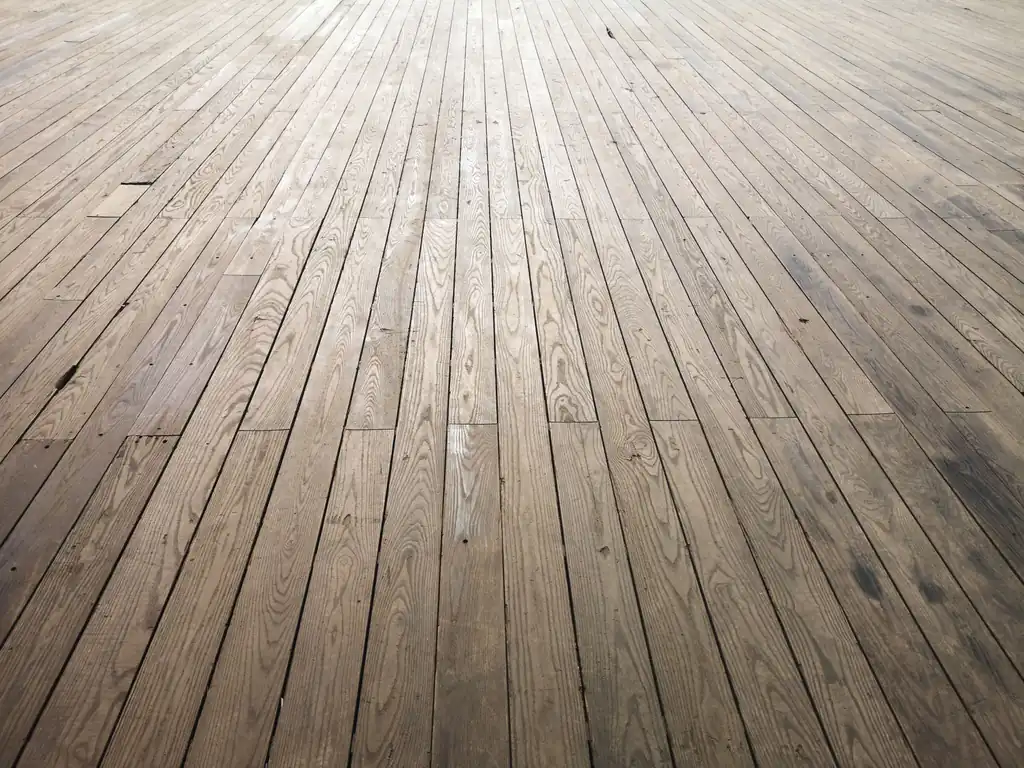
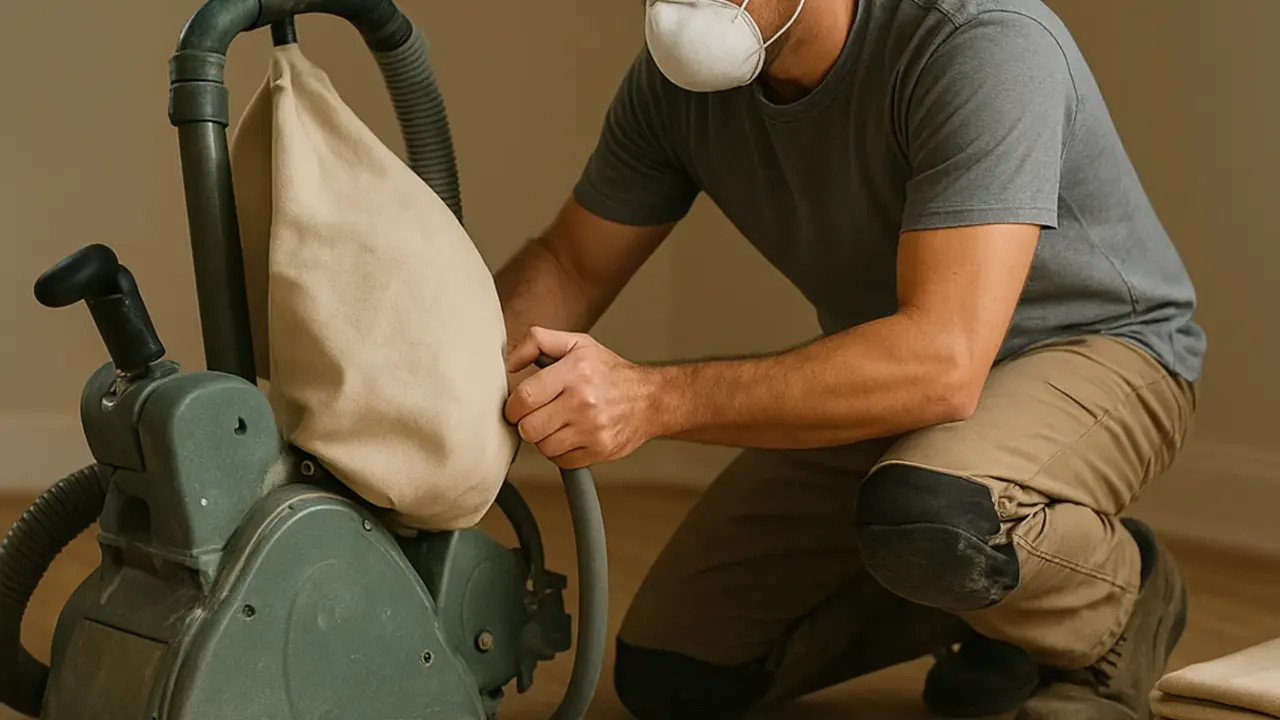
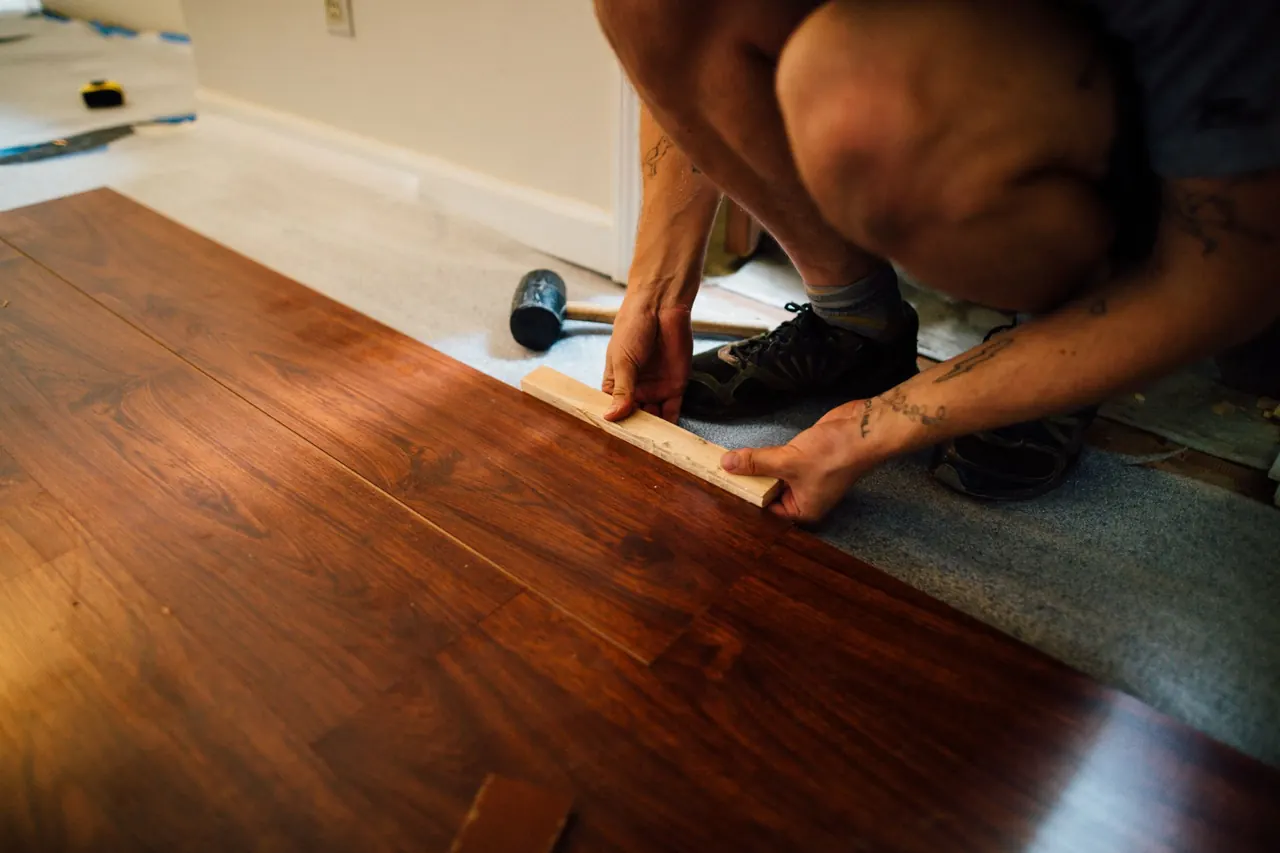
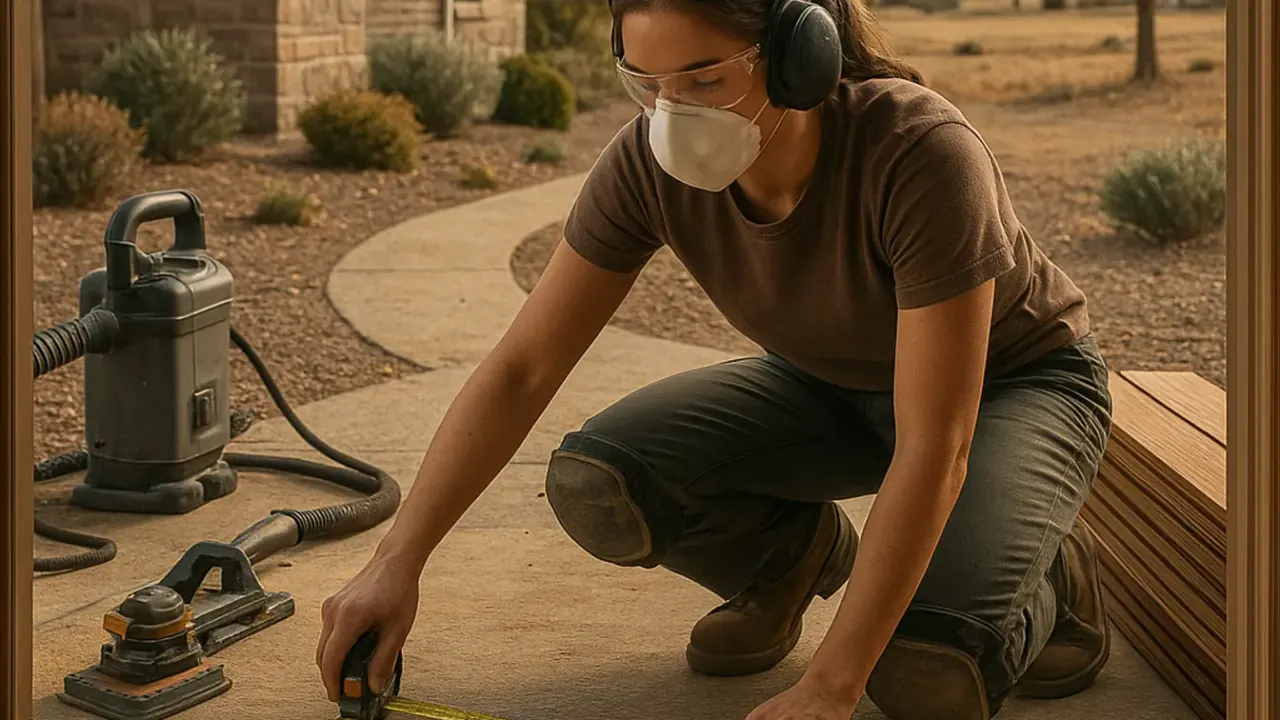
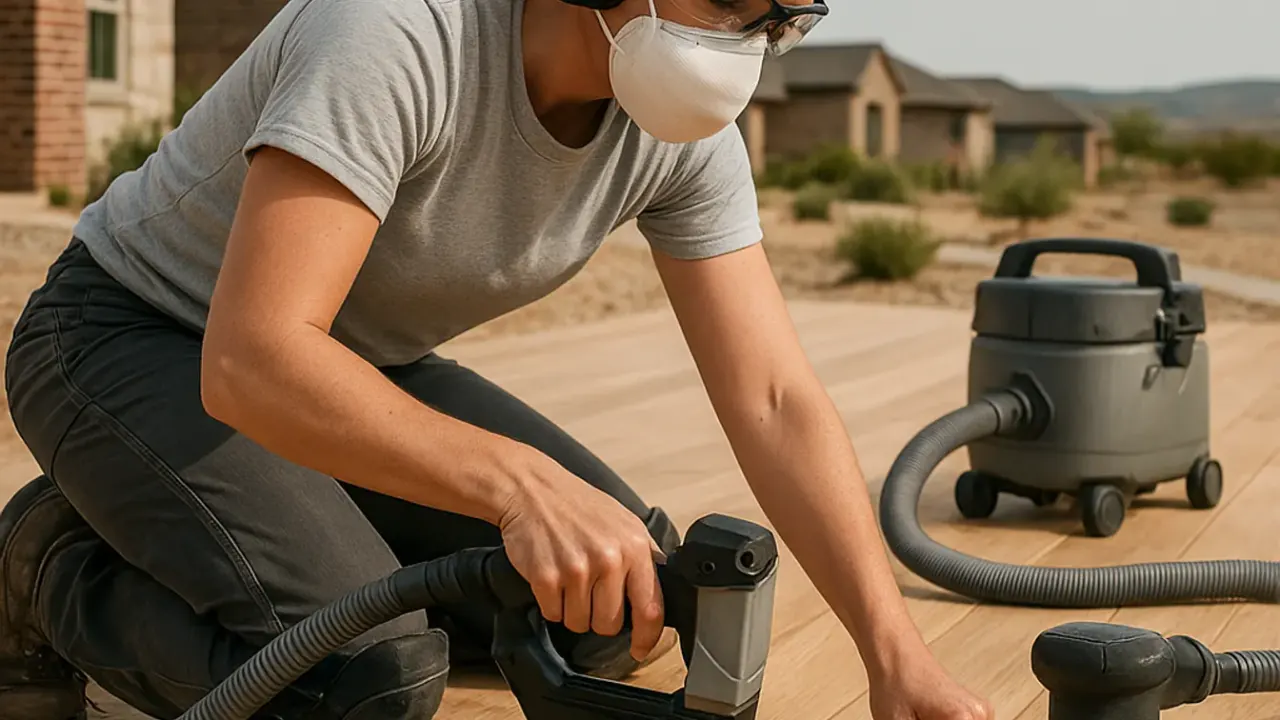
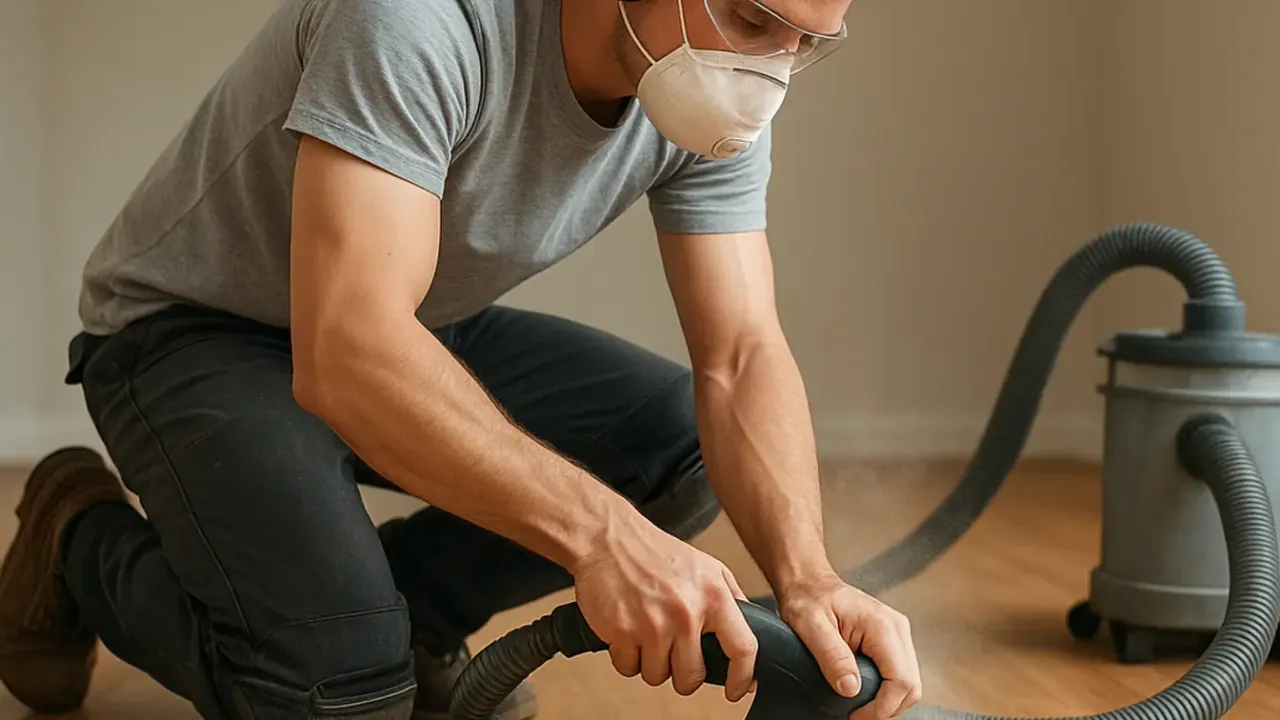
We fasten planks with a pneumatic flooring stapler and cleat nailer, then run a drum floor sander and edger sander along walls and closets. An industrial floor vacuum pulls dust at the machine. A typical 900 square foot install takes three to four days.
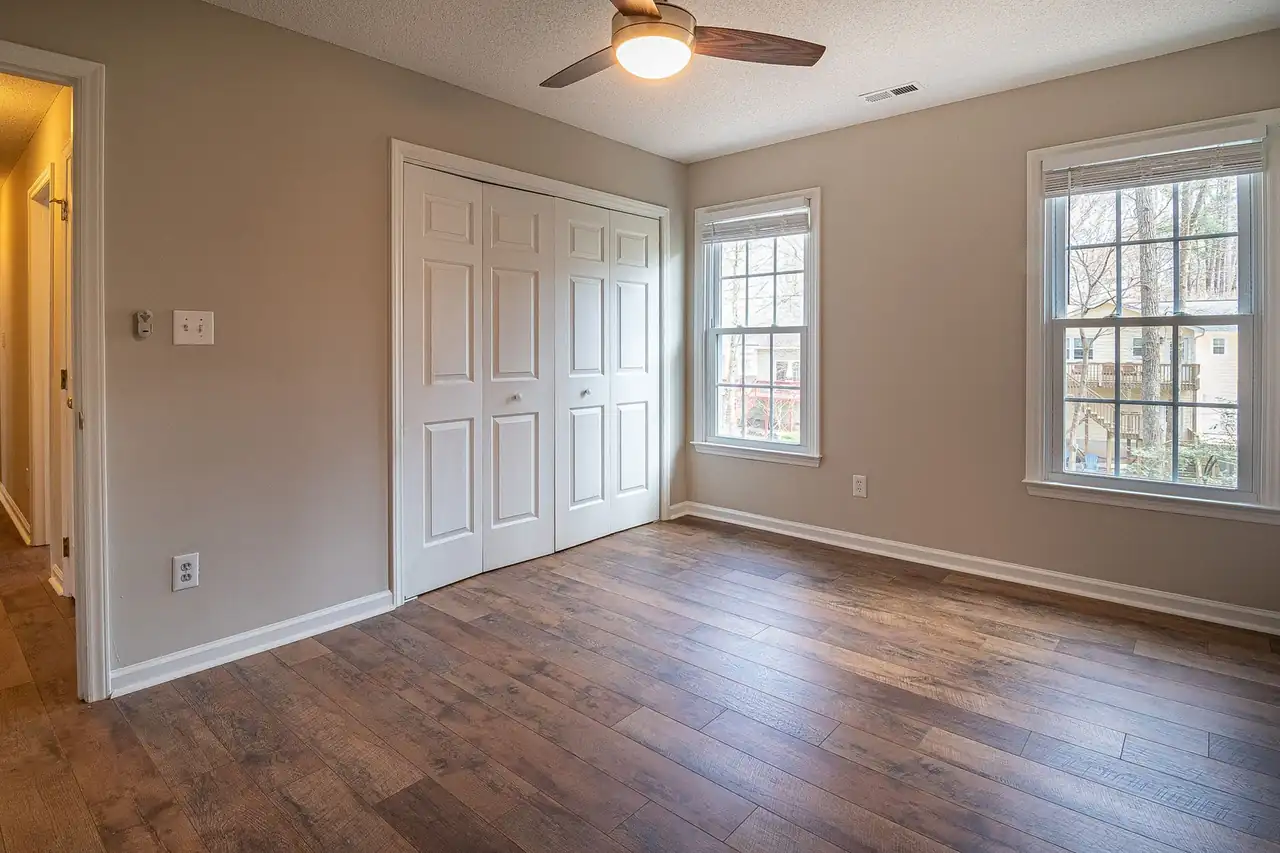
We apply sealer plus three coats of water-based or oil-based polyurethane, buffing between coats with a floor buffer. Cure time is 24 hours to walk and 72 hours before furniture. We walk the job with you, mark anything that needs attention, and leave touch-up finish.
Cuts the old finish and levels the field of the floor in long passes. We control depth carefully because one heavy pass on thin veneer can ruin a floor.
Reaches along walls, closets, and under toe kicks where the drum cannot go. The multi-tool handles detail cuts around door jambs and vents.
Sets flooring cleats and staples at the correct angle and depth so planks stay tight to the subfloor without splitting tongues.
Reads moisture content in the subfloor and in the wood bundles. We match them within 2% before installation, which prevents most gapping and cupping.
Buffs between polyurethane coats and screens the finish before the final coat. It is what gives the floor an even sheen instead of lap marks.
Pulls dust at the sander head and keeps the air in your house breathable. We also plastic off doorways and run HEPA filtration on the exhaust.
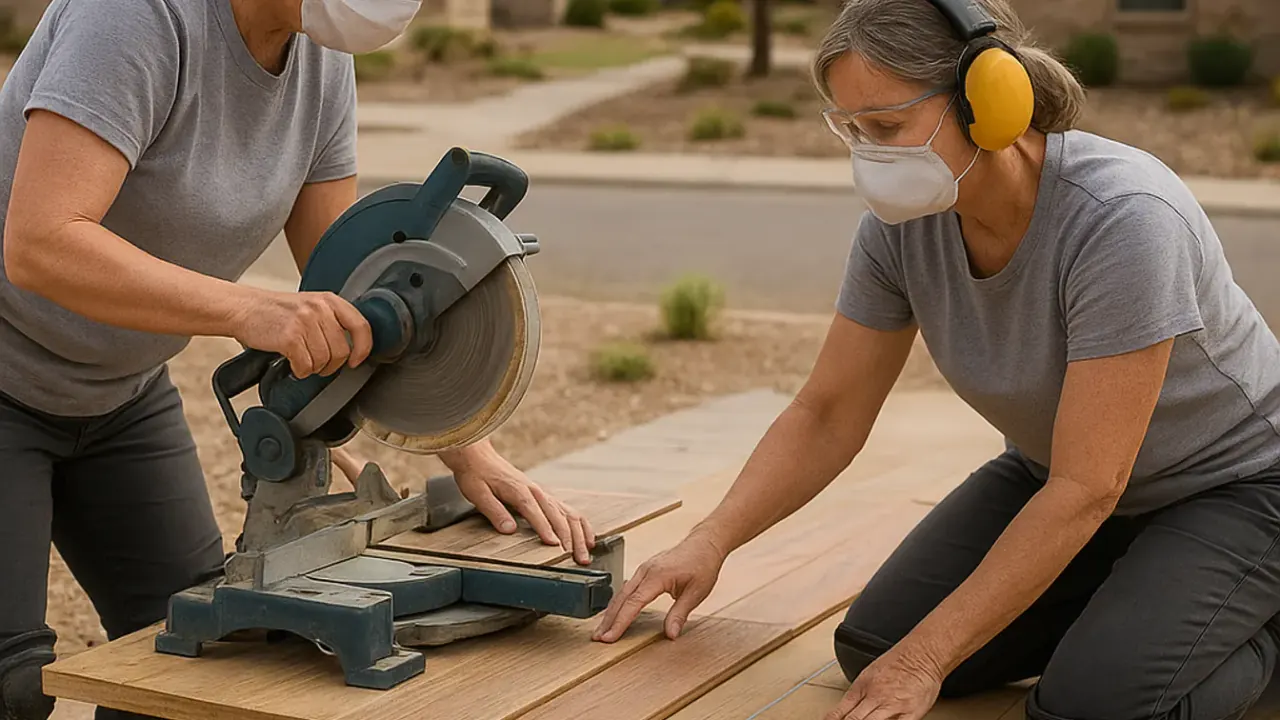
Trims planks at doorways and transitions, and seats boards tight during installation without damaging the tongue.
We follow National Wood Flooring Association guidance on subfloor flatness, moisture content, and fastener schedule. That means flatness within 3/16 inch over 10 feet and cleats every 6 to 8 inches on the joist line.
We pull carpet and tack strip, check the subfloor for soft spots, and run a full sand and refinish with three coats of water-based polyurethane. Stain gets tested on an offcut so the color matches the era of the house. Original oak comes back to life for a fraction of replacement cost, and the homeowner gains a hard surface that cleans up after kids and dogs.
We grind the slab flat, set a vapor barrier, and install engineered hardwood planks with a pneumatic stapler. Acclimation runs 72 hours before the first plank goes down. The house gets a warm wood floor that handles slab moisture, and the family avoids the hollow feel and cracked grout of tile.
We extract the wet material, dry the subfloor, and replace the buckled boards. Then we sand and refinish the room so the repair blends with the rest of the house. The unit is rent-ready again in under a week, and the owner has documentation of the repair for insurance.
We remove the vinyl, prep the subfloor, and lace new white oak planks into the adjoining living room floor. Stain gets matched to the existing finish so the transition is invisible. One continuous wood floor across both rooms, with no visible seam at the doorway and a finish that reads as original.
Abilene sits on expansive clay, and that soil moves with every wet and dry cycle. In crawlspace homes the joists shift, and in slab-on-grade houses the concrete wicks moisture up into anything sitting on it. Both push wood floors around. We plan for it by reading moisture content on the subfloor and the wood, setting a vapor barrier where the slab calls for one, and leaving a proper expansion gap at every wall. Our dry winters drop indoor humidity under 30%, which shrinks planks and opens gaps, so we acclimate every bundle for at least 72 hours before installation. Summer is the other extreme, and that is when we see cupping calls from crawlspace homes near Cobb Park and Elmwood. If you have been searching for wood floor services for older homes in Abilene, the answer usually starts in the crawlspace, not the showroom. We also work around Dyess Air Force Base schedules, so PCS timelines get priority on the calendar when we can fit them.
The living room and hallway had worn beige carpet over original red oak. Pet stains near the back door had soaked through, and the finish was gone in the traffic path. The subfloor had two soft panels near the hall bath.
We pulled carpet and tack strip, replaced the two subfloor panels, sanded the oak, and applied three coats of water-based polyurethane. The pet stains came out with sanding, and the floor now reads as one continuous surface across 620 square feet.
Damp mop with a pH-neutral cleaner weekly, keep felt pads under furniture, and run a humidifier when indoor humidity drops below 35% in winter.
A failed water heater sent water across the kitchen and into the dining room. Eleven boards were buckled and two showed mold at the edges. The tenant had moved out, and the owner needed the unit rent-ready fast.
We dried the subfloor, replaced the eleven boards with matching white oak, sanded the dining room, and refinished both rooms so the repair disappeared. Total time was five working days, and the unit passed the owner's walkthrough.
Check the water heater pan and supply lines twice a year, and wipe up spills within an hour to protect the finish.
The floor was 18 years old with a gray, worn finish and visible sun fading along the south-facing windows. The homeowner was considering replacement because the color was so uneven.
We sanded 900 square feet, stained with a medium brown DuraSeal color, and applied three coats of oil-based polyurethane. The color evened out wall to wall, and the homeowner kept the original floor instead of spending on new material.
Use area rugs in the sunniest spots, avoid steam mops, and plan on a screen-and-recoat in seven to ten years to keep the finish fresh.
Most Abilene floor calls come down to moisture, age, or damage from a specific event. Here are the ones we see weekly and how we handle each.
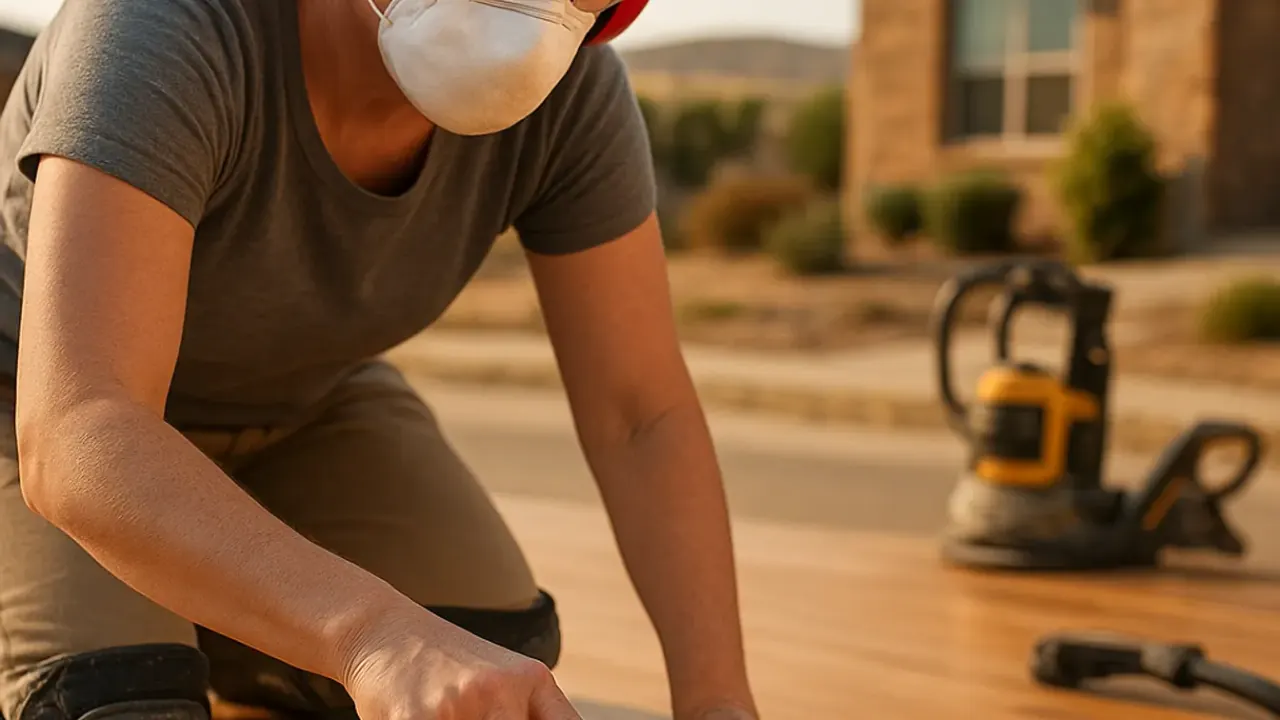
We find the moisture source first, whether it is a crawlspace vent, a slow supply line leak, or a missing vapor barrier. Then we dry the space, flatten the affected boards, and refinish. In severe cases we replace the worst planks and blend the new wood into the existing floor. Planks rise at the edges or dome in the middle, and the floor feels uneven underfoot. Left alone, the wood keeps moving and the finish cracks along the seams.
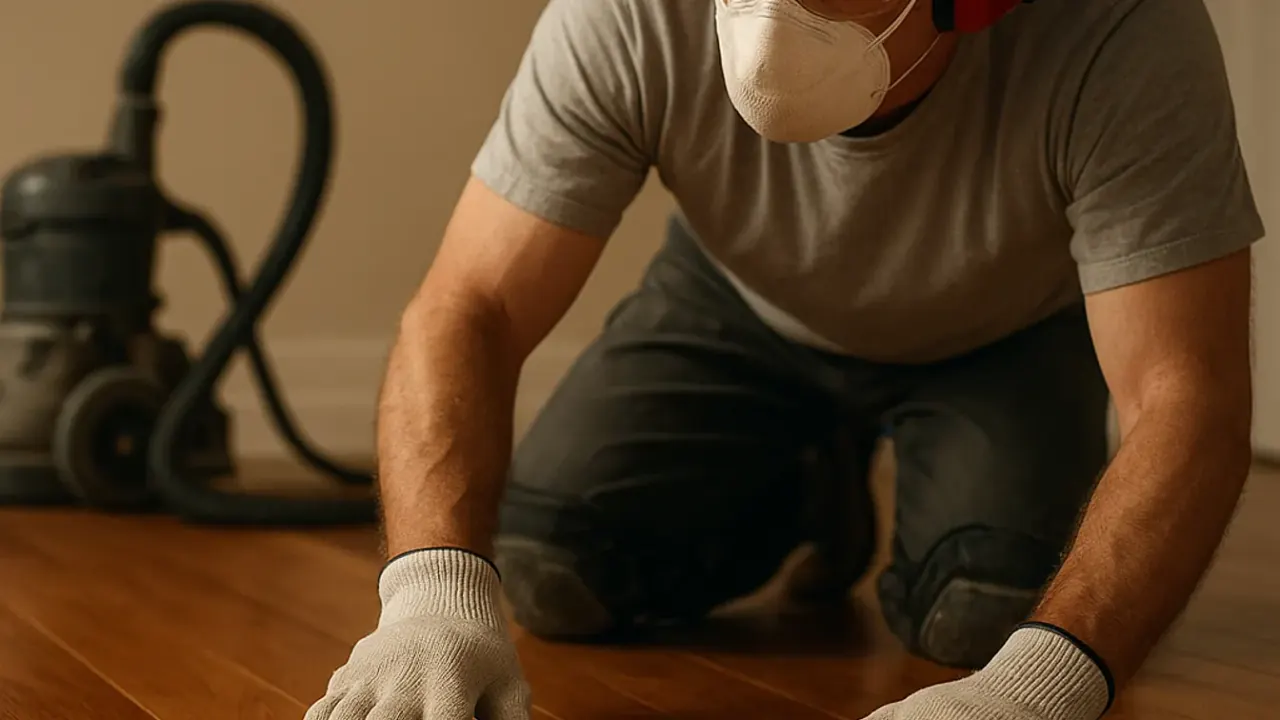
We locate the joists, re-secure the subfloor from above or below, and reset or replace popping fasteners. On a pier-and-beam house we can often fix it from the crawlspace without touching the finished floor. Most squeak repairs finish in a single day. Every step announces itself, and in older Abilene homes the noise usually means a loose subfloor panel or a nail backing out of a joist. Ignored, the squeak spreads as the fasteners work loose.
We pull the affected boards, treat the subfloor, and replace with matching species and grain. Then we seal and refinish the surrounding area so the repair disappears. If the staining is shallow, we can sometimes sand it out and re-stain instead. Urine soaks past the finish into the wood and leaves dark staining plus a smell that comes back on humid days. Surface cleaning does not reach it, and the odor can linger for years.
A full sand and refinish resets the whole floor to one color and rebuilds the protective coat. We use finish systems with UV inhibitors and can add area rugs or window film recommendations to slow the next round of fading. High-traffic paths go dull and gray while the rest of the floor keeps its color, and windows facing south bleach entire rooms. Once the finish wears through, bare wood starts absorbing spills.
Solid oak and hickory planks can be sanded and refinished three to five times over their life. A $2,400 refinish in 2026 beats a $9,000 tear-out every time. We screen the old finish, cut out pet stains, and lay new polyurethane so the floor reads as new without new material cost.
Indoor humidity here drops under 30% most winters, which shrinks planks and opens gaps. We acclimate every bundle on site for 72 hours minimum and set the moisture content within 2% of the subfloor before the first cleat goes in. That single step prevents most winter gapping.
Carpet holds dust, dander, and West Texas red dirt. Sealed wood planks wipe clean with a damp cloth. Families with kids or pets notice the difference within a week, and the floor does not need shampooing or replacing every eight to ten years the way carpet does.
Real wood is one of the few upgrades a buyer can verify by looking down. Homes in the Lytle Area and Westwood Richland list higher with refinished oak than with new laminate. We hand over a written record of species, finish, and coat count for your disclosure packet.
Clear records you can keep and share.
Square footage, species, and finish listed
Tested on your own floor offcut
Cleaning and humidity guidance for the floor
The right plank depends on what is under it. Crawlspace homes and slab homes call for different material and different prep.
Solid oak and hickory work well over plywood subfloor with good ventilation. They can be sanded and refinished several times over the life of the floor.
Engineered planks have a plywood core that handles slab moisture better. They still look like real wood and can be refinished once or twice depending on veneer thickness.
We read moisture content in the subfloor and the wood before we install. Matching them within 2% prevents most gapping, cupping, and callbacks later.
Outside these areas? Call and ask, we may still get to you. (325) 532-0708
We install, sand, finish, repair, and replace solid and engineered wood floors across Abilene and Taylor County. That covers new installation, full refinishing, board replacement, squeak repair, water damage tear-out, and stain matching. We also handle subfloor repair, vapor barrier installation, and baseboards and transition strips. If you need custom wood flooring installation Abilene Texas style, with species and stain chosen to your house, that is the same crew.
Typical 2026 pricing runs $6 to $12 per square foot installed for solid hardwood, $3.50 to $7 for refinishing, and $250 to $600 for small repairs. A 900 square foot install lands between $5,400 and $10,800 depending on species and finish system. Crawlspace prep, subfloor replacement, and stain work add cost. We give you a firm written number after the on-site measure.
Yes, we do both, and often on the same job. Many Abilene homeowners add new oak in a kitchen and refinish the adjoining living room so the finish matches wall to wall. Refinishing takes two to four days for 900 square feet, including sanding, stain, and three coats of polyurethane. We test stain on your own offcut before we commit to the whole floor.
Solid white oak and hickory handle Abilene's humidity swings best, and engineered hardwood is the safer pick over slab-on-grade. White oak moves less than red oak and takes stain evenly. Hickory is harder and hides pet scratches. In crawlspace homes, solid planks over a proper vapor barrier perform well. We bring samples and match the species to your subfloor and rooms.
Call (325) 532-0708 and we will schedule a free on-site measure, usually within two business days. You get a written scope, species samples, and a firm number. No deposit until you approve the plan.
Call us at (325) 532-0708 or send an email and we will get back to you the same business day. We schedule estimates Monday through Friday, and we can usually get to most Abilene addresses within a few days. Tell us the rooms, the square footage if you know it, and what the floor is doing.