Written scope
Room-by-room plan with materials listed
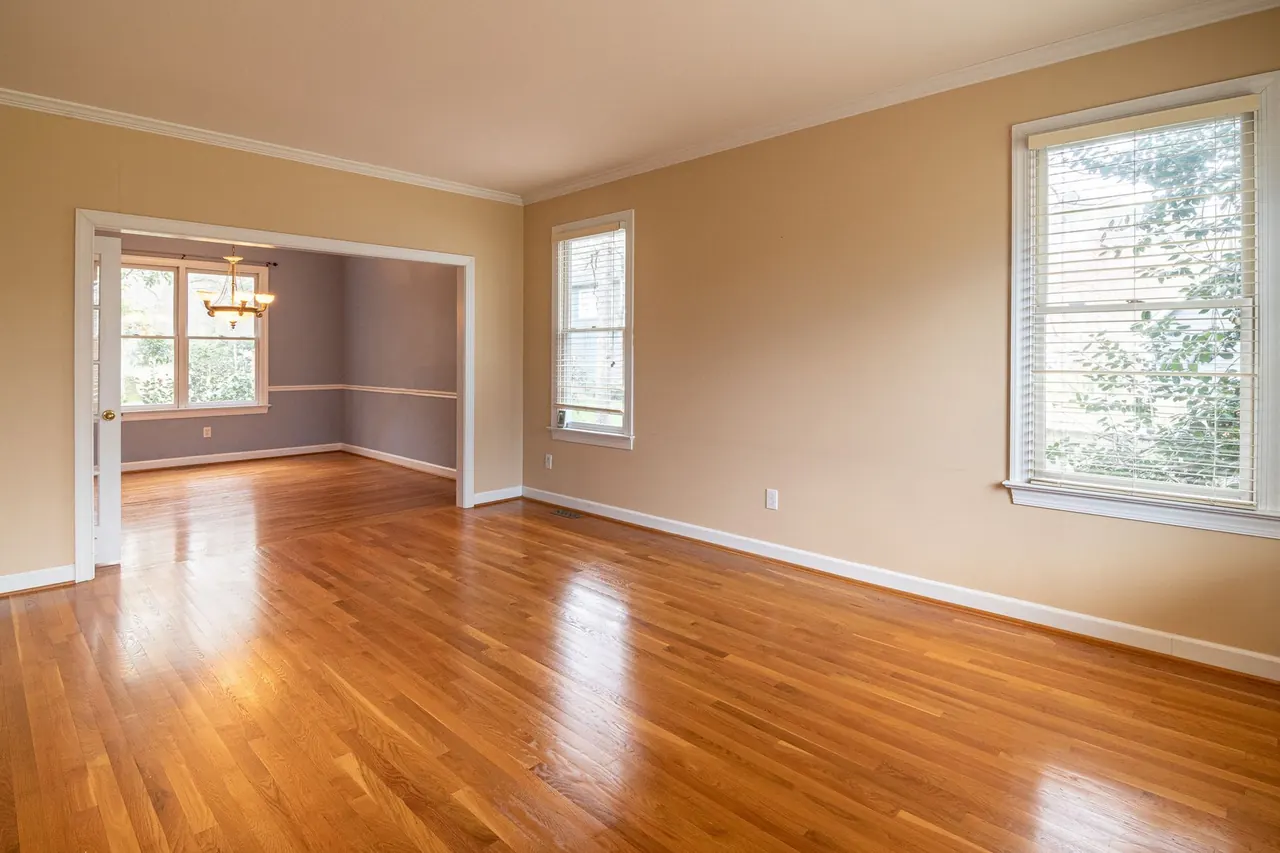
Solid Hardwood Flooring in Abilene gives you real wood planks that stand up to daily life and add lasting value to your home. Whether you are updating a cottage in the Lytle Area or building new in Far Southside, we handle solid wood flooring Abilene TX from moisture testing to final coat. Our crew works clean, shows up on schedule, and treats your home like our own.
Every project starts with a written scope so you know exactly what is covered. Standard installation includes the items below. Add-ons like stair work, custom staining, or subfloor repair are priced separately and approved before we begin.
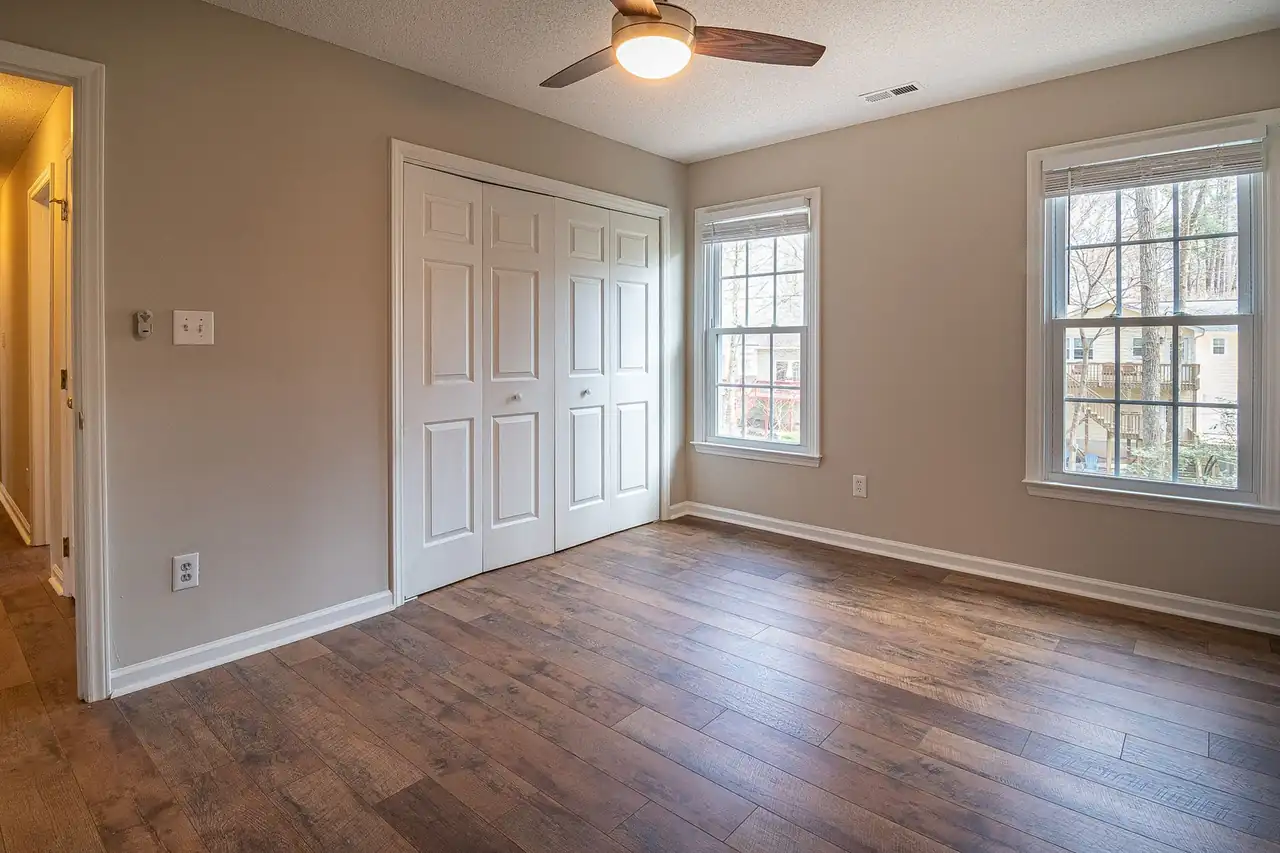
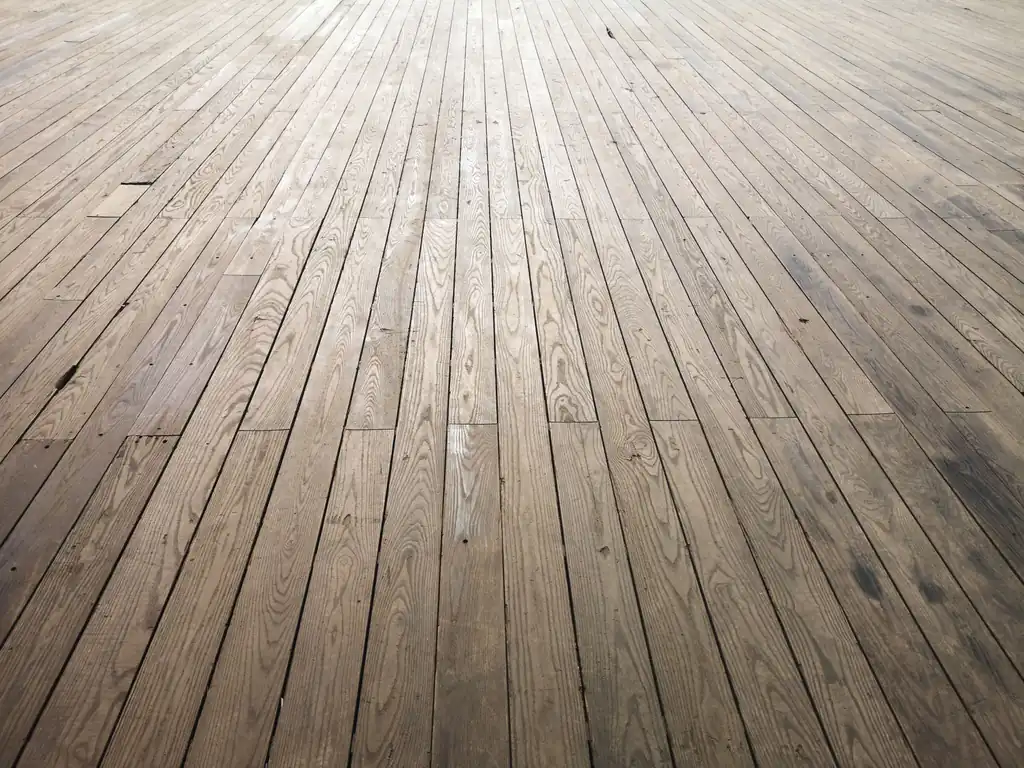
We install solid wood floors in houses across Abilene, from single rooms to whole-home remodels. You get a floor that handles kids, pets, and everyday traffic.
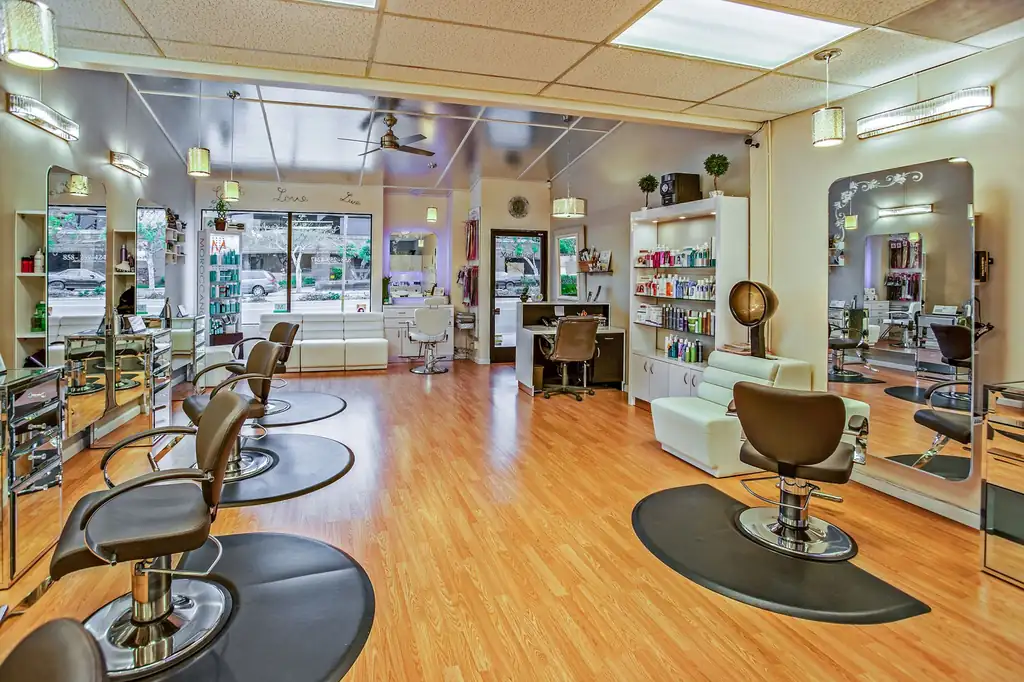
We install solid wood in small commercial spaces where a real wood floor matters. We work around your hours so you can stay open.
Solid Hardwood Flooring in Abilene means three-quarter-inch thick planks milled from a single piece of wood, installed over a proper subfloor and finished on site. We start by checking moisture content in your slab or pier and beam structure, then acclimate the wood so it moves with Abilene's humidity swings instead of fighting them. From there we lay red oak, white oak, hickory, or maple planks, sand them smooth with a drum floor sander and edger, and seal with Bona or DuraSeal finishes that hold up to Texas sun and foot traffic.
Homeowners across Taylor County choose solid wood because it can be sanded and refinished multiple times, unlike engineered planks that wear through. If you are searching for solid wood floor installation near me in Abilene, we handle everything from tear-out to baseboards. Older homes near Sayles Blvd often have uneven or soft subfloors that need leveling before a single plank goes down, and we fix those issues first so your new floor stays flat and quiet for decades.
We test moisture first, acclimate the wood, then nail and finish it right.
We follow a proven sequence that protects your home and delivers a floor that stays flat. Every job gets the same attention whether it is two rooms or the whole house.
We walk your space, check subfloor condition, and take moisture readings with a moisture meter. You get a written scope and a clear price before we start. For pier and beam homes, we also inspect crawlspace ventilation because trapped moisture is the number one cause of cupping.
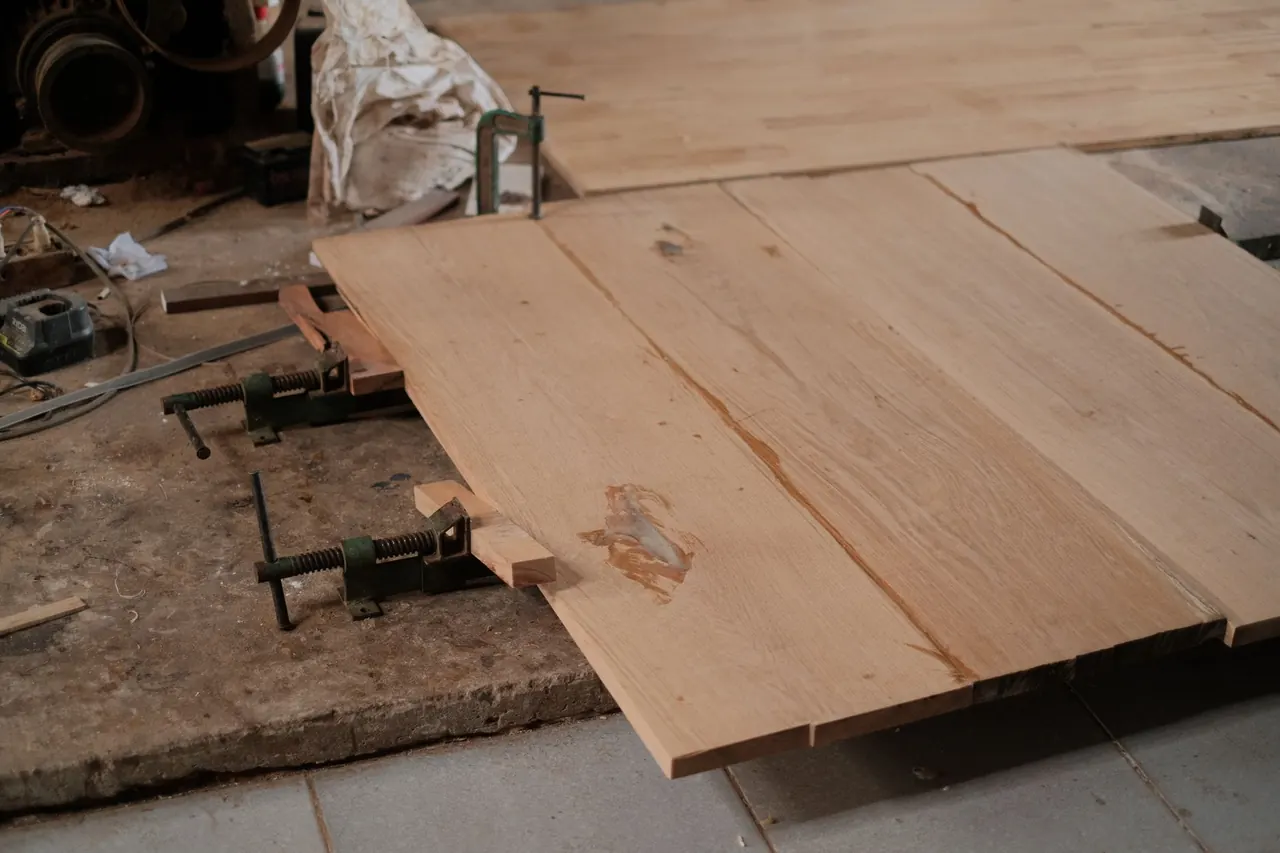
We deliver your solid red oak or hickory planks and let them sit in the conditioned space for three to five days. This lets the wood adjust to indoor humidity before installation. Skipping this step is why some floors gap within a year.
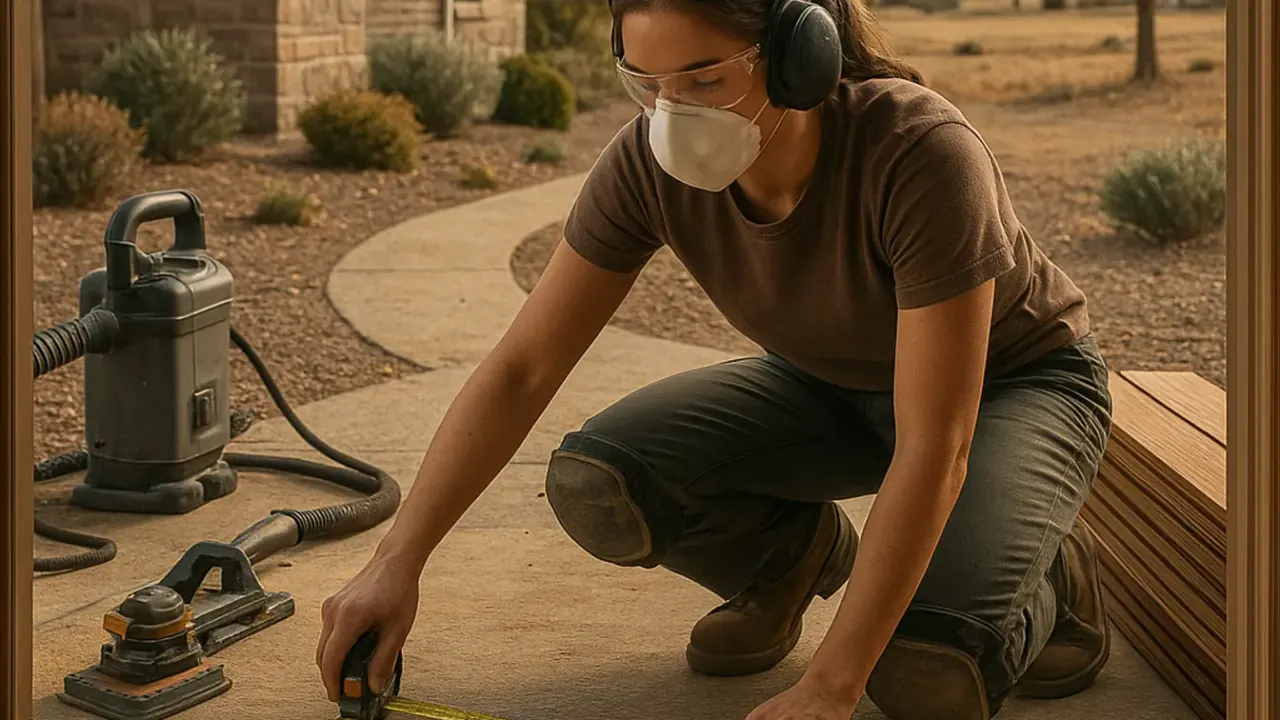
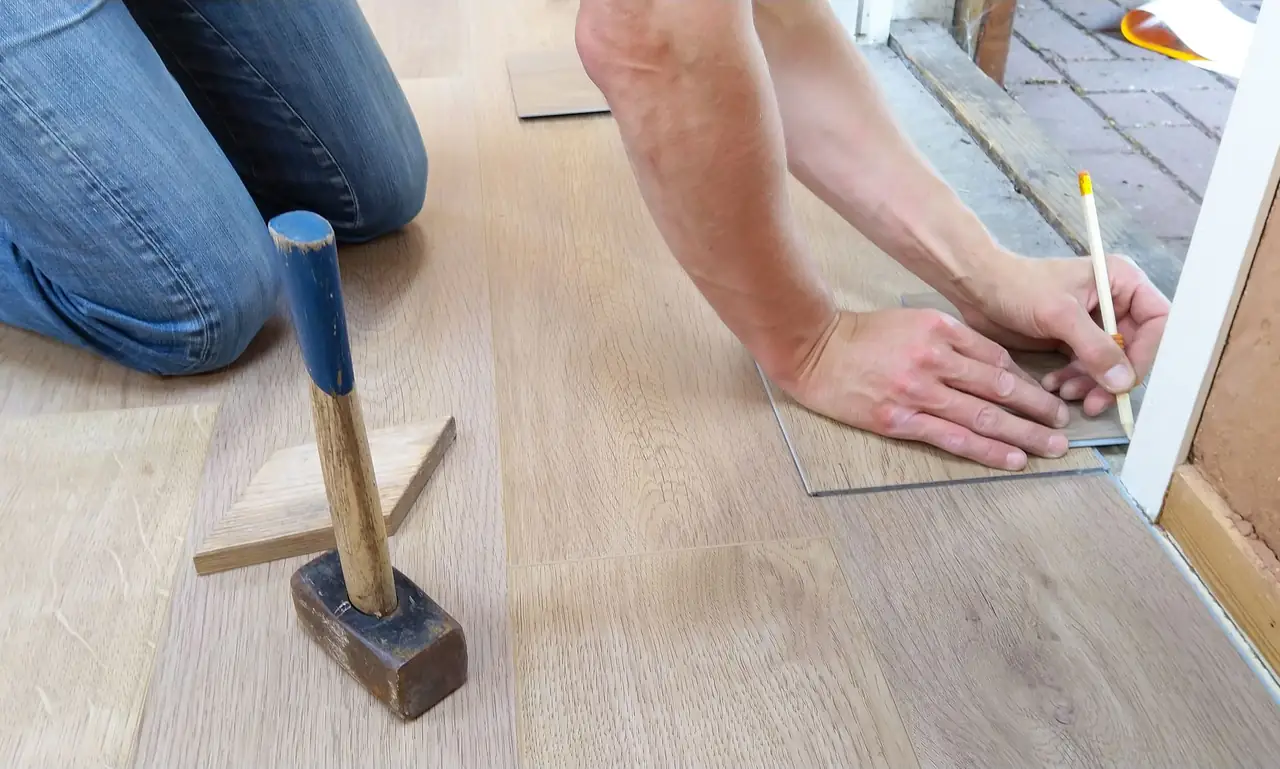
We repair soft spots, secure squeaky boards, and install a vapor barrier where needed. Then we snap chalk lines and lay out the first rows so the floor runs square to the longest wall. Tapping blocks and pry bars keep joints tight without damaging the tongue.
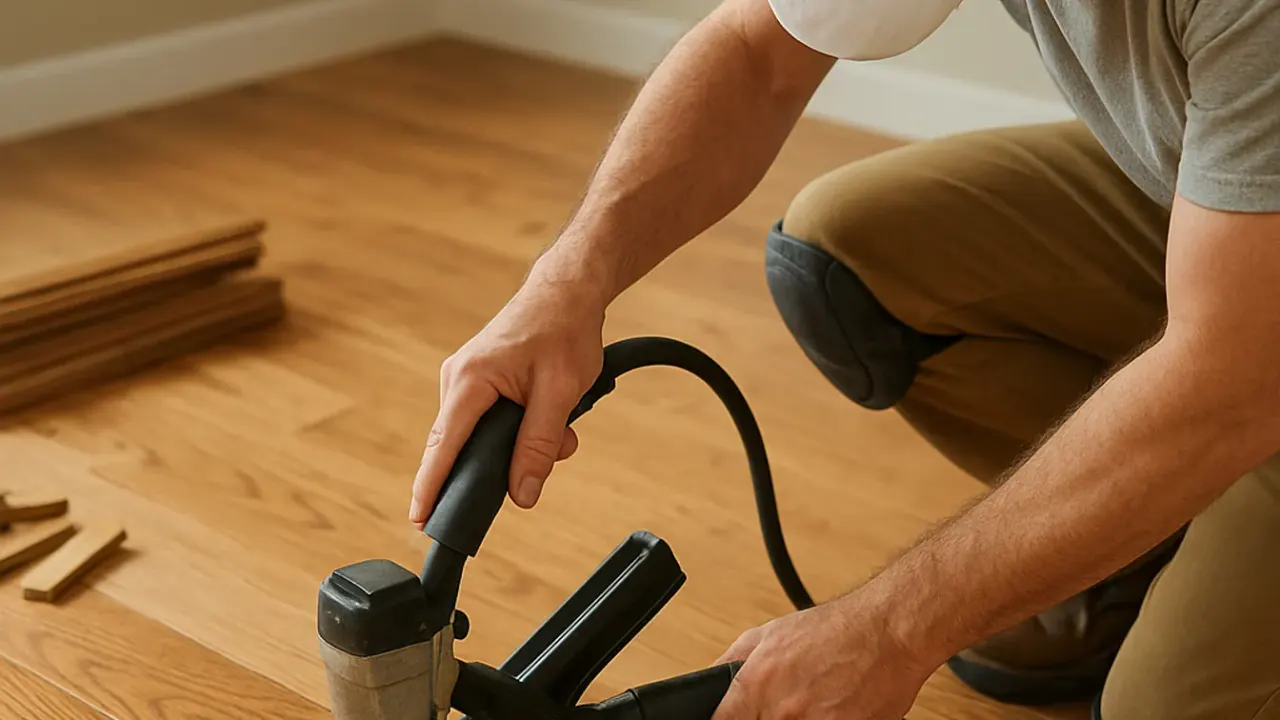
Using a pneumatic flooring stapler and cleat nailer, we blind-nail each plank through the tongue. On the last rows, we face-nail and set with a nail punch. The whole install for an average room takes one to two days depending on layout and obstacles.
We sand with a drum floor sander, edger sander, and orbital buffer to a uniform surface. Then we apply sealer and two to three coats of finish, screening between coats. We vacuum with an industrial floor vacuum and reinstall baseboards and transition strips before we leave.
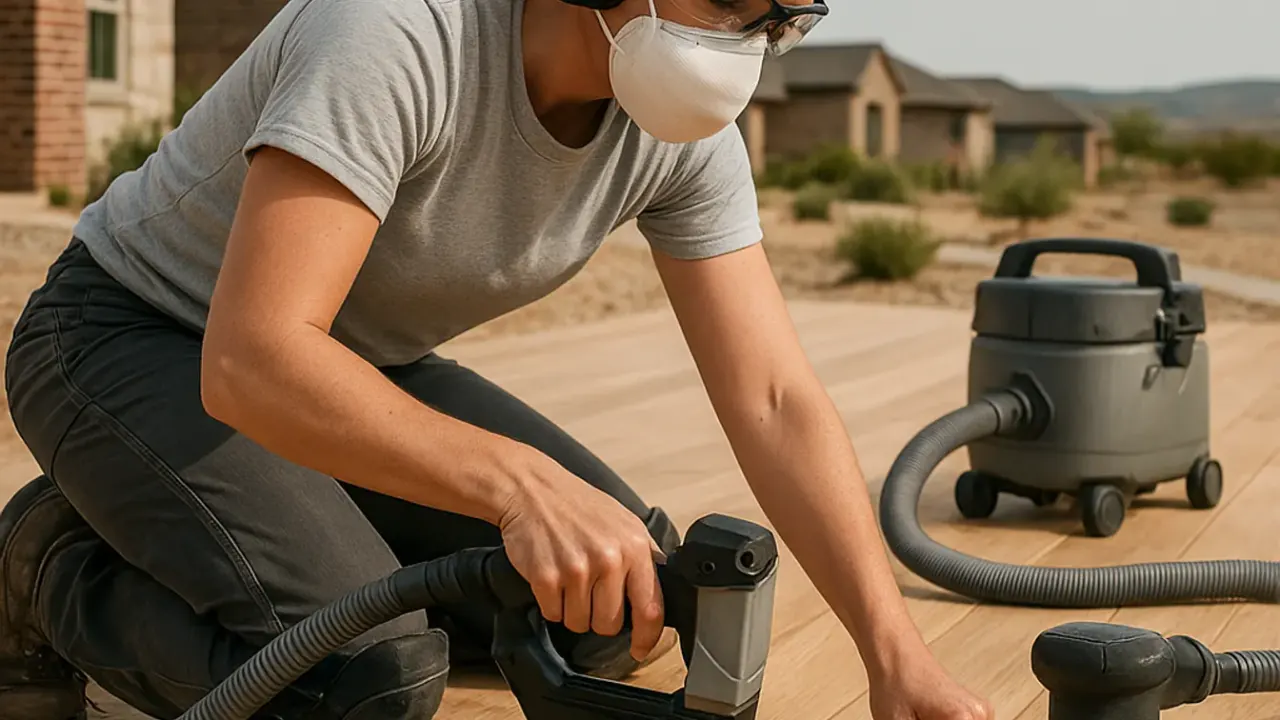
Used to sand the main field and edges of the floor to bare wood. We control the speed and pressure to avoid gouges and keep the surface flat.
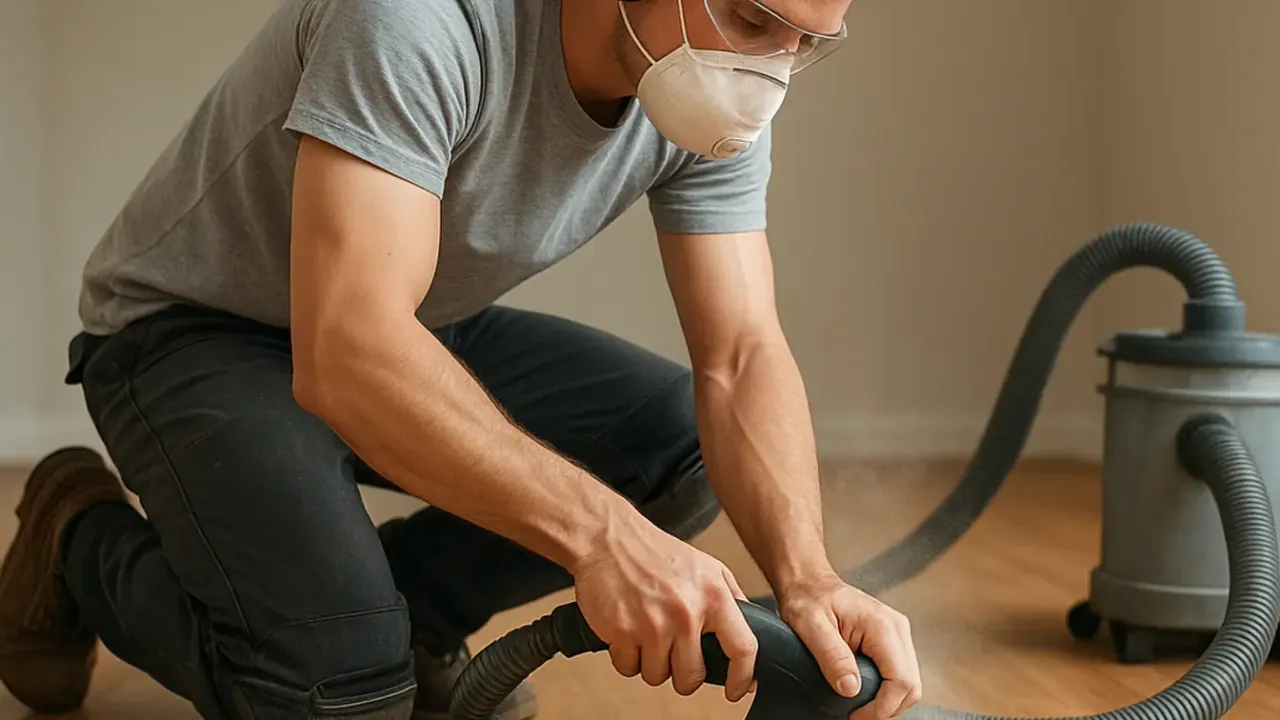
Drives cleats and staples through the tongue at the correct angle. This holds the floor tight to the subfloor without splitting the boards.
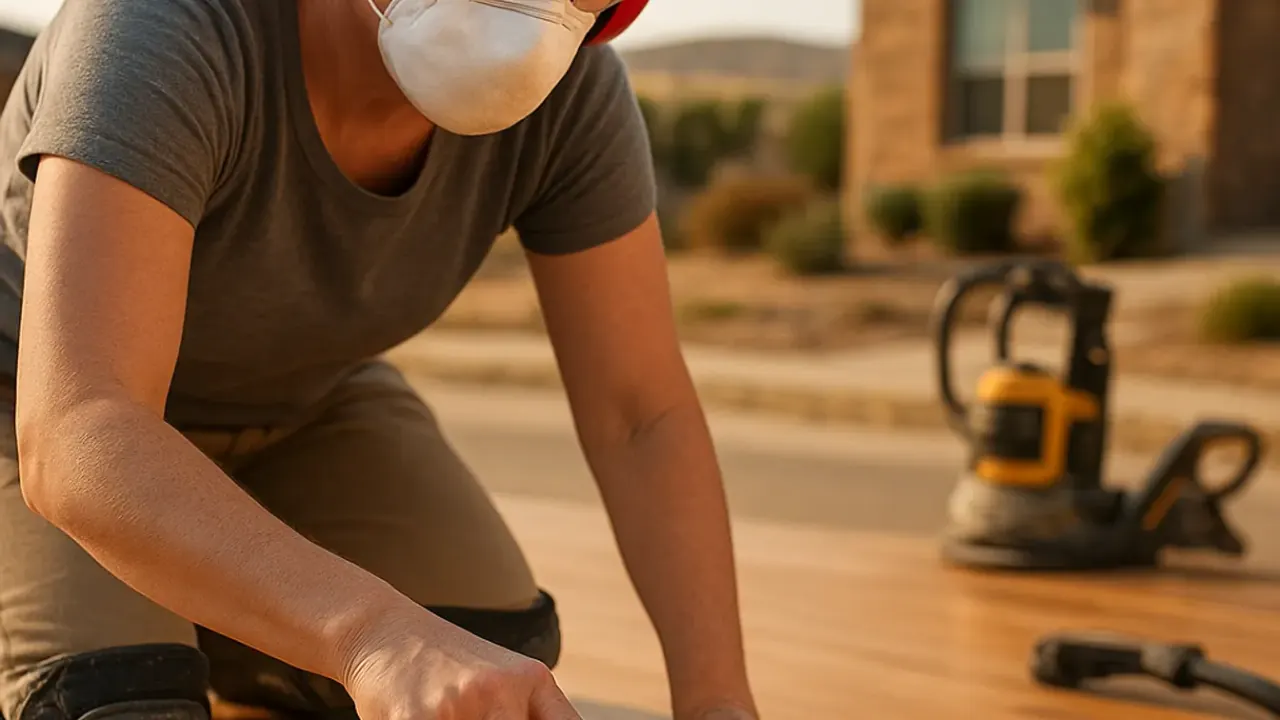
Reads moisture content in the subfloor and the wood itself. We use it before, during, and after installation to prevent cupping and gapping.
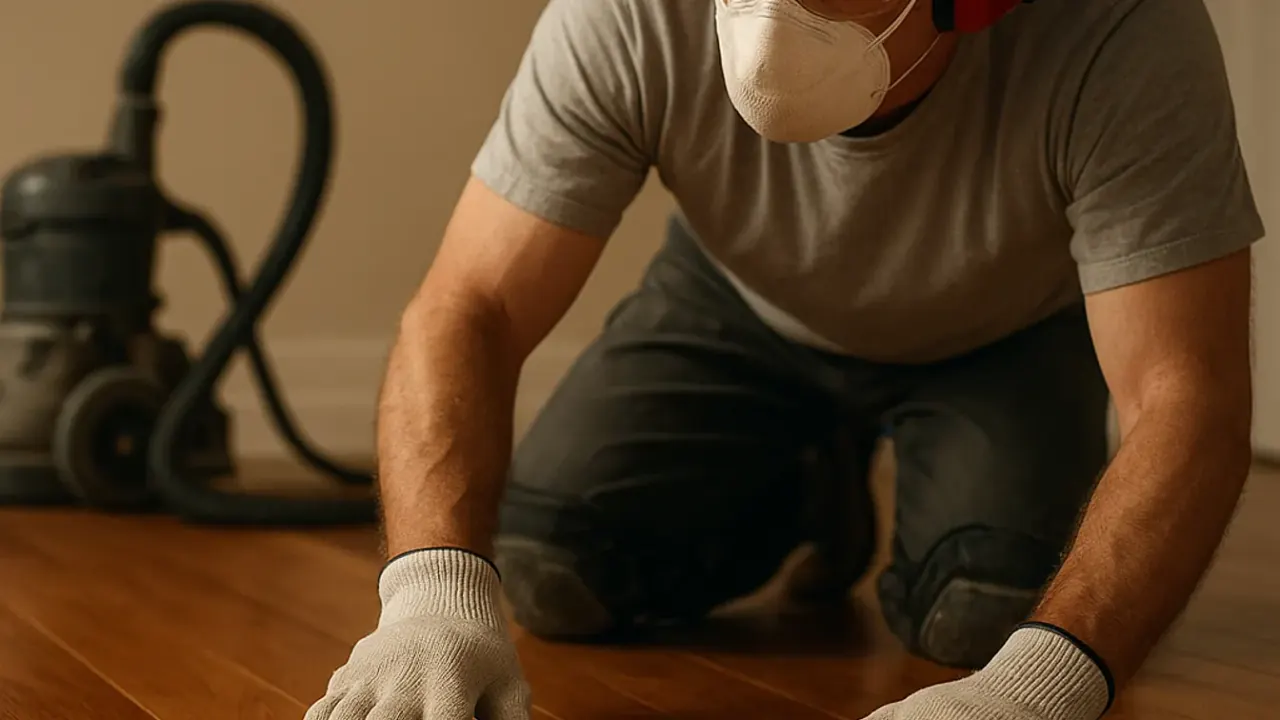
Closes gaps between boards during installation without damaging the tongue. Essential for a tight floor that does not squeak.
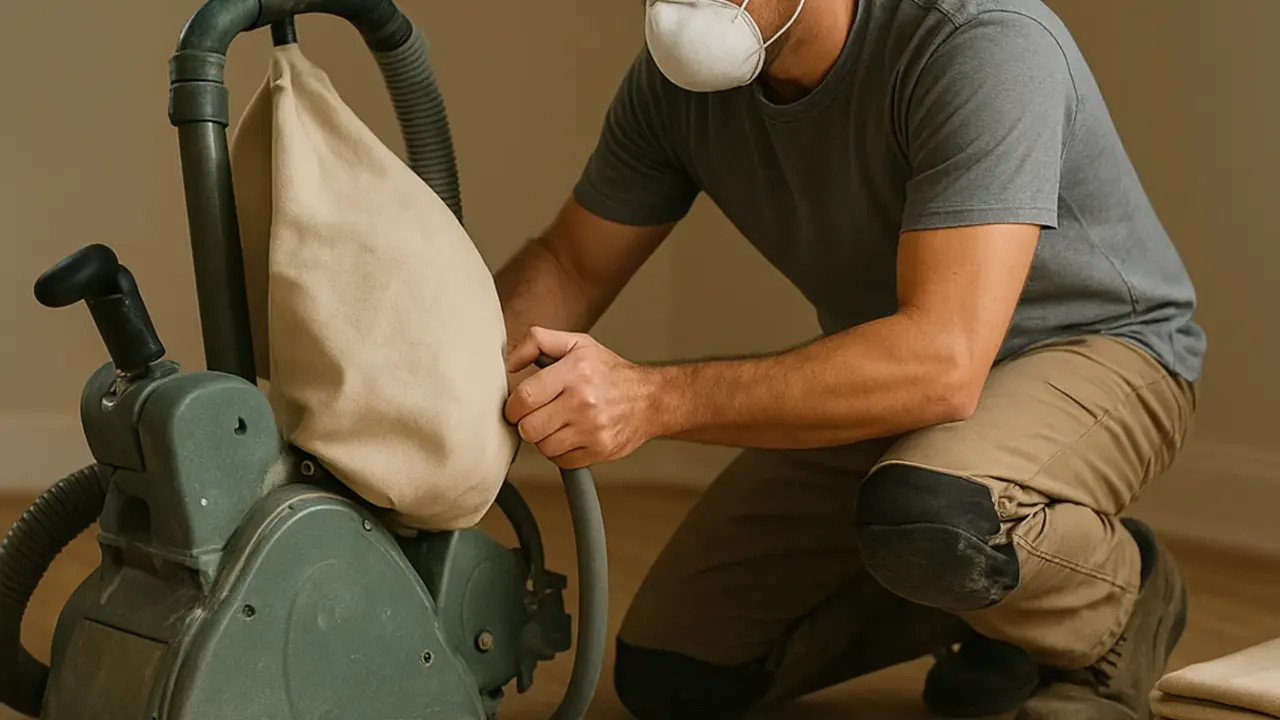
Captures sanding dust at the source when connected to our sanders. Keeps your home cleaner and reduces airborne particles.
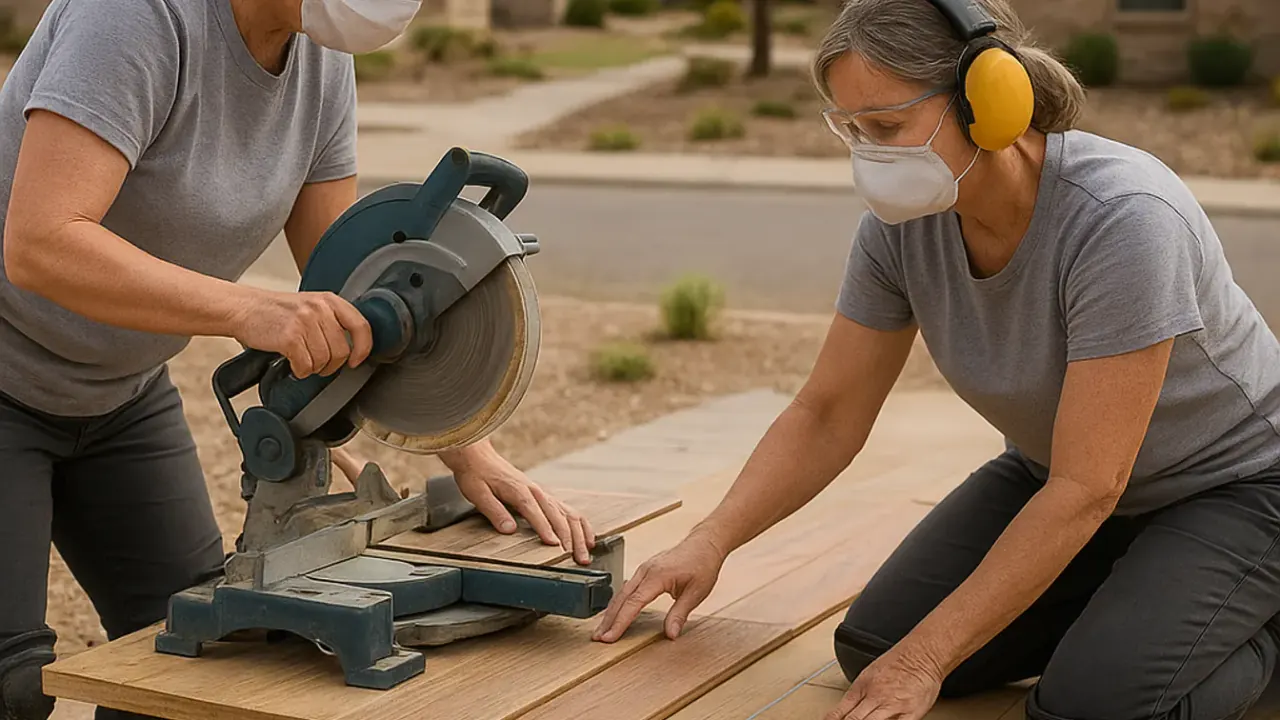
Cuts door jambs and undercuts toe kicks so planks slide underneath for a clean finish. Also used for detail work in corners.
We follow the National Wood Flooring Association's guidelines for subfloor prep, fastening patterns, and expansion gaps. These standards exist because floors fail when they are ignored.
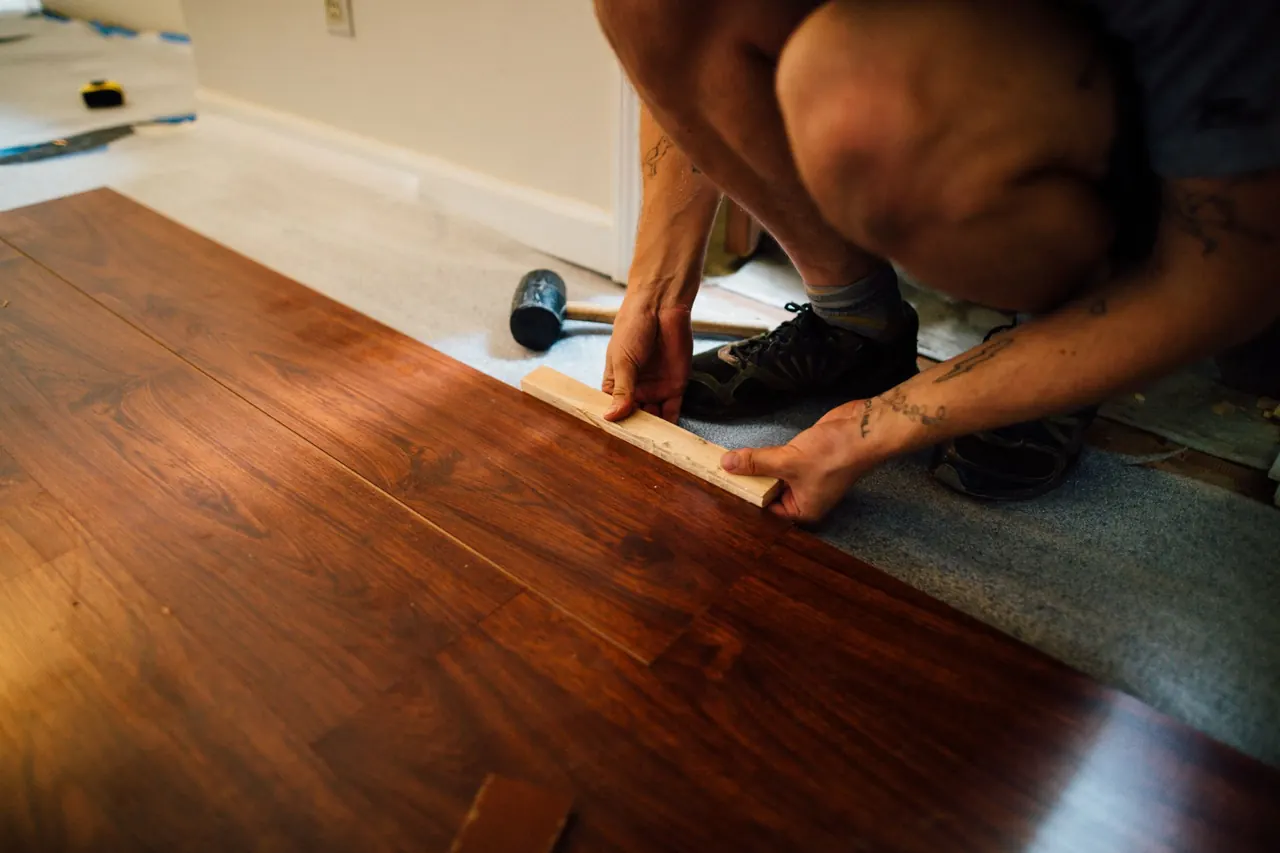
Most planks are blind-nailed through the tongue so no fasteners show. The final rows are face-nailed and set below the surface, then filled. This method works on both plywood and solid wood subfloors.
We pull the carpet and staples, inspect the oak for pet stains or water damage, and sand and refinish what is salvageable. If some boards are too far gone, we weave in matching red oak and blend the stain. You get original hardwood character with modern durability, often for less than the cost of new flooring.
We test the slab for moisture, apply a vapor barrier, and install a plywood subfloor before nailing down solid planks. This gives the wood a stable base and keeps slab moisture from reaching it. A warm, solid floor that feels nothing like tile and handles Abilene's humidity swings.
We match the existing species, width, and stain so the transition is seamless. We install the new boards, sand both areas together, and apply a uniform finish across the whole space. One continuous floor with no visible seam or color mismatch between rooms.
We install hickory, which is harder than oak, and finish with a commercial-grade water-based polyurethane. The finish resists scratches and cleans up with a damp mop between tenants. A floor that looks good for years and can be refreshed with a screen-and-recoat instead of a full replacement.
Abilene sits in a transition zone where summer humidity can spike and winter air gets bone dry. That swing is hard on wood floors, which is why we acclimate every plank and leave a proper expansion gap at the walls. Homes here are a mix of pier and beam and slab-on-grade. Pier and beam houses in Original Town and North College need crawlspace ventilation checked before installation, because trapped moisture causes cupping from below. Slab homes in Far Southside and Westwood Richland need a vapor barrier and a moisture test before we glue or nail anything down. We also deal with expansive clay soils that shift with wet and dry cycles, which can crack slabs and move foundations. If your subfloor is not flat, we fix it first. For the best solid hardwood for the Abilene TX climate, we often recommend red oak or hickory because they handle seasonal movement well. We work in ZIP codes 79601, 79602, 79603, 79605, 79607, and 79699, and we know the building stock in each area.
A homeowner in Abilene Heights Area had years of pet stains and odor in the living room oak floor. Two boards were black and soft, and the finish was worn through in the traffic path.
We replaced four boards with matching red oak, sanded the entire room, and applied a dark walnut stain that hid the remaining discoloration. The floor now looks uniform and the odor is gone.
Keep pets' nails trimmed and clean up accidents immediately. Use felt pads under furniture and re-coat the finish every eight to ten years.
A 1950s pier and beam home in Lytle Area had squeaks in every hallway and a noticeable dip near the bathroom. The original oak was thin from repeated sanding.
We reinforced the joists from below, installed a new plywood subfloor, and laid three-quarter inch white oak throughout. The floor is flat, silent, and ready for another fifty years.
Maintain crawlspace ventilation and check for plumbing leaks annually. Keep indoor humidity between 35 and 55 percent with a whole-home or portable humidifier.
A slab leak ruined about 200 square feet of hickory flooring in a Far Southside home. The boards were cupped, mold was starting, and the homeowner feared a full replacement.
We fixed the leak, dried the slab, and replaced only the damaged section with matching hickory. After sanding and finishing, the repair is invisible and the floor is solid.
Watch for slab leaks and check under sinks regularly. Run a dehumidifier during humid months and keep a moisture meter handy for early detection.
Solid wood floors take a beating in West Texas. Here are the most common issues we fix and how we keep them from coming back.
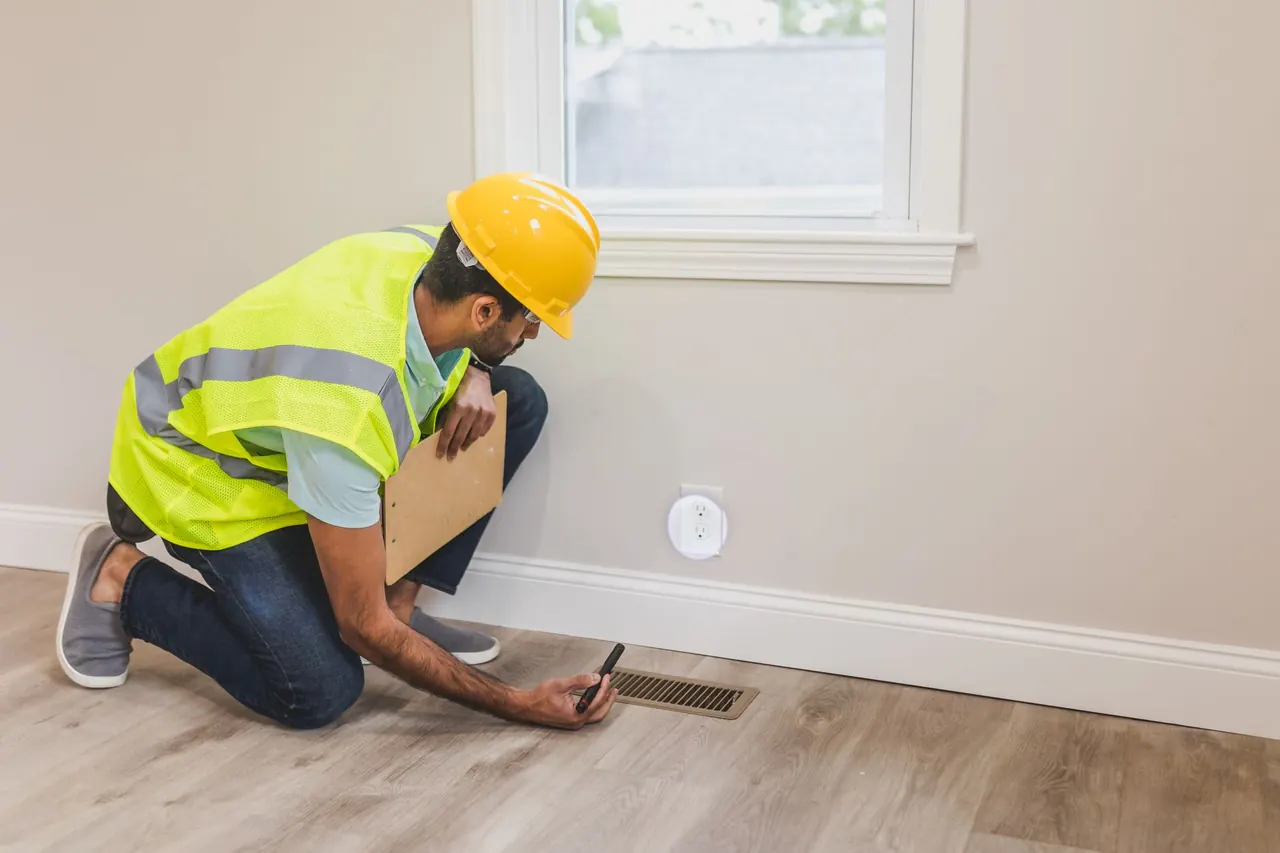
We find the moisture source, whether it is a crawlspace issue or a plumbing leak, and fix it first. Then we dry the area, replace buckled boards, and refinish the section to match. We also set up a humidity plan so it does not happen again. Boards rise at the edges or bulge in the middle, creating trip hazards and an uneven surface. Ignoring it leads to permanent damage and a full replacement.
We assess how far the stain reaches. Sometimes we can sand past it; sometimes we replace the affected boards with matching species and grain. We seal the subfloor with an odor-blocking primer before installing new planks. Urine stains blacken the wood and the smell lingers even after cleaning. Sanding alone often will not remove it because the contamination goes deep.
We locate the squeaks from below when possible, tighten or replace fasteners, and add screws to pull the subfloor tight. If the floor is coming up anyway, we fix it during installation so the new floor is silent. Every step announces itself, and loose nails work their way up through the finish. It is annoying and a sign the subfloor or fasteners are failing.
We screen and recoat before the wear reaches the wood, which is faster and cheaper than a full sand. If the damage is deeper, we sand to bare wood and apply fresh finish. Either way, we match the existing sheen. The protective layer wears thin in high-traffic areas, letting dirt and moisture reach the wood. Once the wood itself is damaged, refinishing becomes more involved.
Solid three-quarter inch planks can be sanded and refinished eight to ten times over their life. That means scratches, pet stains, and worn finish get sanded away rather than forcing a full tear-out. In a dry West Texas climate, that kind of longevity pays for itself.
Real hardwood consistently ranks among the top interior upgrades for return on investment. Buyers in Abilene Heights Area and Elmwood notice solid oak hardwood floors Abilene the moment they walk in. You get a floor that looks expensive because it is, and it shows in appraisal numbers.
Solid wood does not trap dust, dander, or allergens the way carpet does. We finish with water-based polyurethane that cures fast and has low odor, so you can move furniture back within twenty-four hours. Families with kids or pets get a surface they can actually clean.
A deep scratch in one board does not mean replacing the whole floor. We cut out the damaged plank, fit a matching piece, and blend the finish. You also choose stain color, sheen level, and board width, so the floor matches your home instead of a showroom sample.
Clear records you can keep and share.
Room-by-room plan with materials listed
Readings from subfloor and wood
How to clean and maintain your floor
Solid wood is one piece of wood all the way through. Engineered wood has a real wood top layer over plywood. That difference matters for refinishing and moisture.
Solid planks can be sanded many times over decades. Engineered planks have a thinner wear layer and may only take one or two sandings.
Solid wood expands and contracts more with humidity. We acclimate it and leave expansion gaps so it moves without cupping or gapping.
Solid wood nails down over plywood or wood subfloors. On slabs, we add a plywood layer or use a glue-assist method after moisture testing.
Outside these areas? Call and ask, we may still get to you. (325) 532-0708
Solid is better if you want a floor you can refinish many times over decades. Engineered handles moisture swings a little better in slab-on-grade homes, but solid wins on longevity and resale. For pier and beam homes common in Abilene, solid is the traditional choice. We will tell you honestly which fits your subfloor and budget.
Most solid hardwood flooring cost Abilene TX runs $8 to $15 per square foot installed, including materials, sanding, and finish. Red oak sits at the lower end; hickory and wide-plank white oak run higher. Tear-out, subfloor repair, and stairs add to the total. We give you a line-item quote so you see exactly where the money goes.
Yes, if the slab is dry and flat. We test moisture with a calibrated meter and require readings within range before gluing down a plywood subfloor or using a glue-assist method. Slabs in Far Southside and other areas can wick moisture, so we also check for cracks and apply a vapor barrier. If your slab is not ready, we tell you what needs fixing first.
A properly installed and maintained solid floor lasts fifty years or more. The wear layer is the full thickness of the plank, so you can refinish every ten to fifteen years as traffic wears the finish. Keeping indoor humidity between 35 and 55 percent and felt pads under furniture will stretch that even further.
Call (325) 532-0708 and we will schedule a free on-site estimate, usually the same day. We measure, check moisture, and give you a written price with no obligation. Your new floor starts with one phone call.
Call us at (325) 532-0708 or send an email and we will get back to you the same business day. We schedule estimates Monday through Friday, and we can usually get to most Abilene addresses within a few days. Tell us the rooms, the square footage if you know it, and what the floor is doing.